




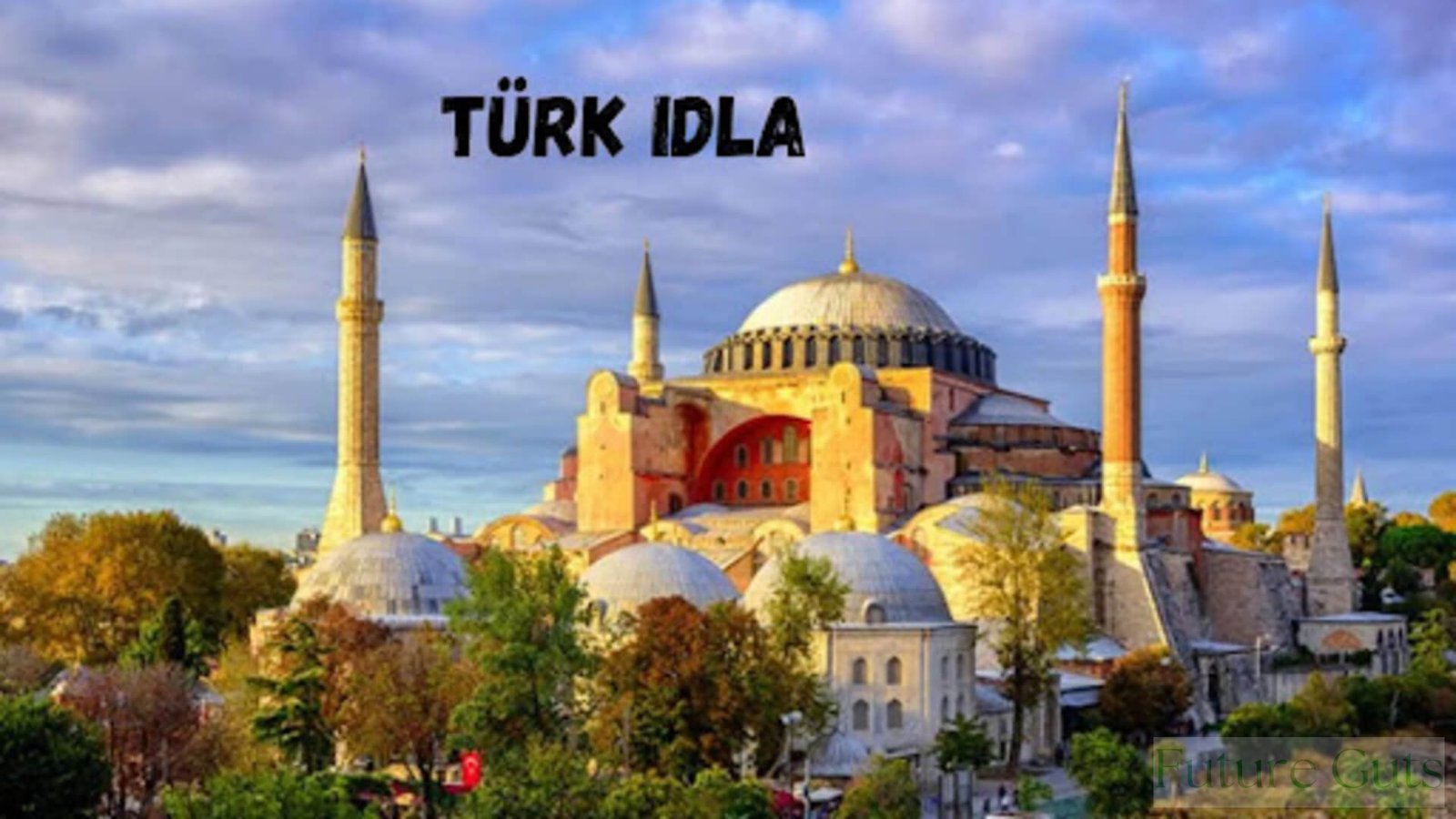

The term “Türk Idla” has sparked curiosity in cultural and linguistic discussions, particularly among those exploring Turkish heritage, historical identity, and symbolic terminology. While the phrase itself is not widely recognized as a formal historical concept in mainstream academic literature, it appears to draw attention to themes related to Turkish identity, origins, and cultural symbolism. Understanding its possible roots requires examining Turkish linguistic structure, historical development, and broader cultural narratives that shape national identity.
Understanding the Linguistic Structure of “Türk Idla”
The word “Türk” directly refers to the Turkish people and carries deep historical and national significance. It is closely associated with the origins of Turkic tribes in Central Asia and the eventual establishment of powerful states such as the Seljuk and Ottoman empires. The second term, “Idla,” does not have a widely documented meaning in standard Turkish dictionaries or recognized cultural terminology. In some interpretations, it may be a variation, transliteration, or stylized form derived from another word or name, potentially influenced by regional dialects or creative reinterpretations.
Because language evolves across time and geography, terms sometimes emerge through digital culture, niche communities, or reinterpretations of older linguistic elements. When analyzing phrases like “Türk Idla,” it is important to consider both formal linguistic evidence and informal cultural usage.
Historical Roots of Turkish Identity
To understand the cultural backdrop associated with any phrase beginning with “Türk,” it is necessary to explore the broader historical journey of the Turkish people. Turkic tribes originally migrated from Central Asia, forming early confederations such as the Göktürks. Over centuries, these groups expanded westward, influencing vast regions of Eurasia. The rise of the Seljuk Empire and later the Ottoman Empire significantly shaped political, cultural, and religious identity across Anatolia and beyond.
Following the fall of the Ottoman Empire, the establishment of the Republic of Türkiye under Mustafa Kemal Atatürk redefined national identity with a focus on modernization, language reform, and secular governance. These historical transformations deeply influence how contemporary Turkish identity is expressed and understood.
Cultural Symbolism and National Identity
Turkish culture is rich with symbols, traditions, and artistic expressions that reflect centuries of heritage. Traditional motifs found in Anatolian textiles, Ottoman calligraphy, and folk music all contribute to a strong cultural narrative rooted in resilience and continuity. Any phrase associated with Turkish identity often evokes themes of unity, heritage, and pride.
Cultural significance is not only tied to historical empires but also to everyday traditions such as hospitality, cuisine, storytelling, and communal gatherings. These elements form the living fabric of Turkish society and contribute to how identity is perceived both domestically and internationally.
Possible Modern Interpretations of the Term
In modern contexts, unique phrases sometimes emerge through social media, online communities, or artistic branding. “Türk Idla” may represent a stylized cultural concept, a brand name, or a creative reinterpretation rather than a traditional historical term. Digital platforms often accelerate the creation of hybrid phrases that blend linguistic roots with modern aesthetics.
When evaluating such terms, it is essential to verify credible linguistic and cultural sources before attributing historical authority. Accurate interpretation ensures clarity and avoids the spread of misinformation about heritage-related topics.
The Importance of Cultural Context
Cultural terminology carries weight, particularly when tied to national or ethnic identity. Misinterpretations can lead to confusion or inaccurate historical claims. Therefore, examining terms within verified historical frameworks and linguistic evidence is crucial. Turkish identity itself is layered and multifaceted, shaped by Central Asian origins, Islamic influences, Ottoman governance, and modern republican reforms.
Recognizing this complexity helps place emerging or ambiguous phrases into proper perspective while respecting the depth of Turkish cultural history.
Conclusion
In conclusion, while “Türk Idla” does not appear as a formally recognized historical or linguistic term in mainstream sources, its components connect to broader themes of Turkish heritage and identity. Understanding its possible meaning requires examining language structure, historical developments, and modern cultural contexts. Turkish identity remains deeply rooted in centuries of migration, empire, reform, and tradition, and any phrase referencing it should be approached with careful research and cultural awareness.
Frequently Asked Questions About Türk Idla
What does the term “Türk Idla” mean?
The term “Türk Idla” does not appear in widely recognized Turkish dictionaries, academic linguistic sources, or established historical texts as a formal concept. The word “Türk” clearly refers to the Turkish people or Turkish identity, which carries deep historical and cultural significance. However, “Idla” does not have a verified standalone meaning in standard Turkish usage. In some contexts, it may represent a stylized expression, a brand-related term, or a phrase shaped by modern digital culture rather than a historically documented concept.
Is Türk Idla an official historical or cultural term?
Based on available linguistic and historical references, “Türk Idla” is not recognized as an official historical doctrine, cultural movement, or academic term within Turkish studies. Turkish history includes well-documented identities and movements tied to the Seljuk Empire, the Ottoman Empire, and the modern Republic of Türkiye, but this specific phrase does not appear among them. It is important to rely on verified historical sources when interpreting terms connected to national or cultural identity.
Could Türk Idla be a modern or creative expression?
Yes, it is possible that “Türk Idla” may be a modern creation or stylized phrase used in branding, online platforms, artistic projects, or digital communities. In today’s digital landscape, new terms frequently emerge by blending cultural references with creative reinterpretations. These expressions may carry symbolic meaning within specific communities even if they are not formally documented in academic literature.
How is Turkish identity traditionally defined?
Turkish identity is historically rooted in Central Asian Turkic tribes, later shaped by the Seljuk and Ottoman empires, and further redefined during the establishment of the Republic of Türkiye under Mustafa Kemal Atatürk. It encompasses language, shared history, cultural traditions, and national values. Turkish culture includes diverse influences from Anatolian heritage, Islamic civilization, and modern secular reforms, creating a complex and layered national identity.
Why is it important to verify cultural terminology?
Cultural and historical terms carry significant meaning, especially when they relate to national identity or heritage. Misinterpreting or misrepresenting terminology can lead to confusion or misinformation. Verifying phrases through reliable linguistic and historical sources ensures respectful and accurate discussion of cultural topics. This approach is particularly important in digital environments where newly created terms may appear authoritative without clear documentation.

Other Articles

Aleksandra Plus Clothing: Styling Tips for Every Occasion
Sodziu Optimization Guide: Improve Your Experience