




A taverna salad is inspired by the rustic, fresh, and flavorful salads traditionally served in Mediterranean tavernas, especially across Greece. Unlike heavily dressed modern salads, this style focuses on simple ingredients, high-quality olive oil, and natural flavors. Making a taverna-style salad at home is less about strict measurements and more about balance, freshness, and technique.
Understanding What Makes a Taverna-Style Salad Unique
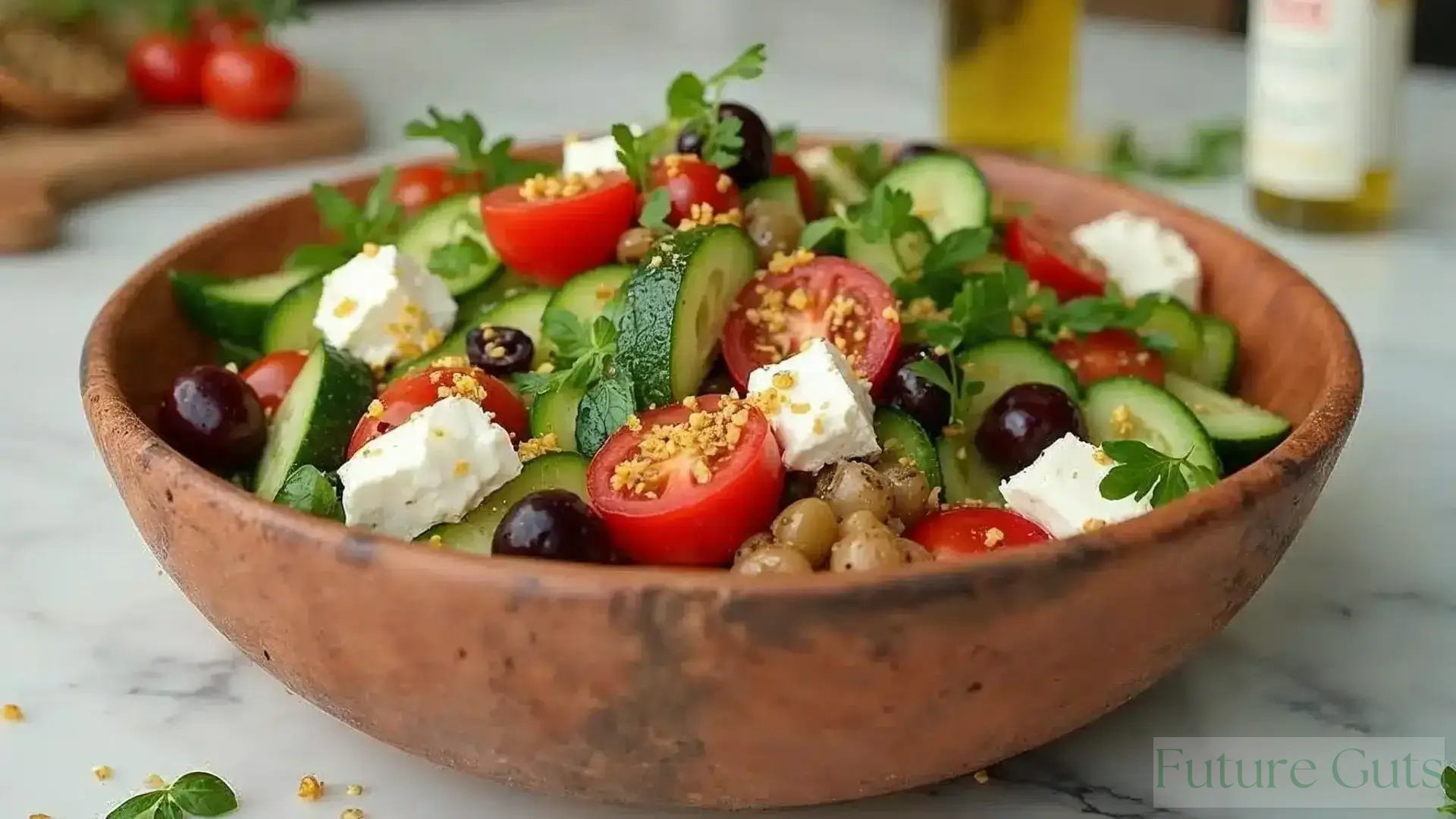
A true taverna-style salad is built around fresh vegetables that are minimally processed and generously dressed with extra virgin olive oil. The vegetables are usually cut into large, rustic pieces rather than finely chopped, allowing each ingredient to retain its texture and taste. The salad is meant to be vibrant, refreshing, and hearty enough to be shared at the table, often served as a starter or alongside grilled dishes.
Choosing the Right Fresh Ingredients
The quality of ingredients is the most important factor in achieving authentic taverna-style flavor. Ripe tomatoes should be juicy and naturally sweet, while cucumbers should be crisp and refreshing. Red onions are traditionally used for their sharp yet slightly sweet bite, which balances the richness of olive oil and cheese. Green bell peppers are often included for added crunch and subtle bitterness. Fresh herbs, when used, should complement rather than overpower the vegetables.
The Role of Olive Oil and Seasoning
Extra virgin olive oil is the heart of a taverna-style salad and should never be substituted with lighter or refined oils. It is poured generously over the vegetables to enhance their natural flavors rather than mask them. Salt is added carefully to draw out moisture from the tomatoes and help the vegetables release their juices, which naturally combine with the olive oil to create a light dressing. Dried oregano is commonly used to add a fragrant, earthy note that defines the Mediterranean character of the salad.
Adding Cheese for Authentic Flavor
Traditional taverna-style salads are typically finished with a slab or large chunks of feta-style cheese placed on top rather than mixed in. This presentation preserves the cheese’s texture and allows diners to break it apart as they eat. The saltiness of the cheese contrasts beautifully with the fresh vegetables and rich olive oil, creating a balanced and satisfying flavor profile.
Proper Mixing and Serving Technique
Unlike tossed salads, a taverna-style salad is mixed gently, often directly in the serving bowl. Over-mixing can break down the vegetables and make the salad watery. Once assembled, the salad should be served immediately to preserve freshness and texture. It is commonly enjoyed with crusty bread, which is used to soak up the flavorful juices left at the bottom of the bowl.
Serving the Salad Like a Traditional Taverna
Presentation plays a subtle but important role. Taverna-style salads are usually served in wide bowls or shallow plates that allow the ingredients to spread naturally. The salad is meant to look abundant and inviting rather than refined or decorative. This relaxed presentation reflects the communal and welcoming atmosphere of traditional tavernas.
Conclusion
Making a delicious taverna-style salad at home is about embracing simplicity and letting high-quality ingredients shine. By focusing on fresh vegetables, generous olive oil, minimal seasoning, and gentle preparation, you can recreate the authentic flavors found in Mediterranean tavernas. This salad is not only easy to prepare but also timeless, offering a refreshing and satisfying dish that pairs effortlessly with a wide variety of meals.

Other Articles

White Linen Cocktail: Ingredients, Taste, and Recipe Explained
Labubu: Full Story Spoilers Explained