


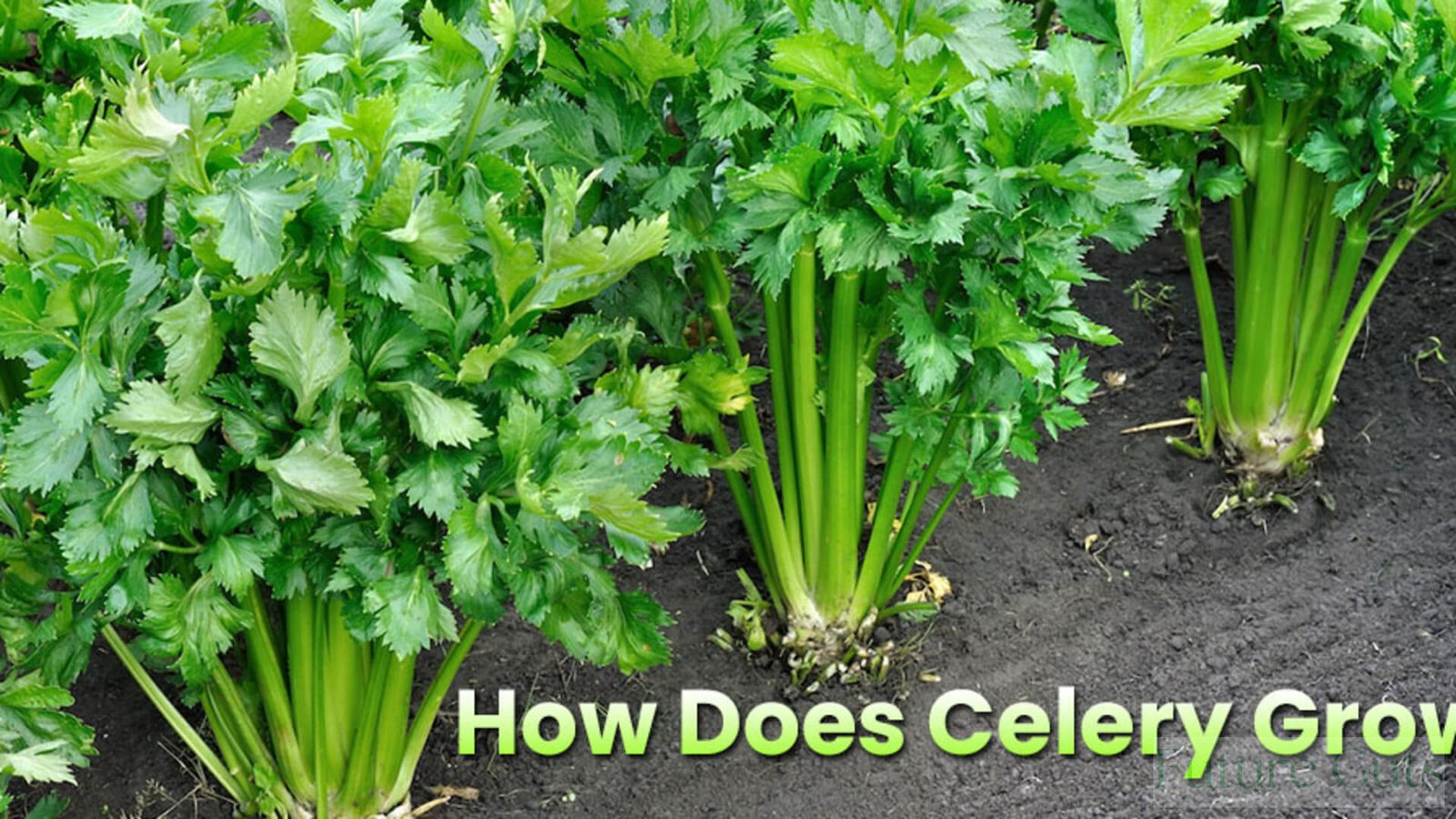

Growing Pravi celery at home can be highly rewarding when the right conditions are provided from the start. Pravi celery, known for its crisp stalks and strong aroma, requires patience, consistent care, and proper soil management. With the correct growing method, even home gardeners can achieve healthy, flavorful celery suitable for fresh use and cooking.
Understanding Pravi Celery Growth Requirements
Pravi celery is a cool-season vegetable that thrives in mild temperatures and steady moisture. Unlike fast-growing greens, celery has a long growing period and is sensitive to stress, which means stable environmental conditions are essential. It prefers full sunlight but can tolerate partial shade in warmer climates. Consistent temperatures and protection from extreme heat are key to preventing bitter or hollow stalks.
Choosing the Right Soil for Healthy Celery
Soil quality plays a critical role in successfully growing Pravi celery. The plant grows best in rich, well-draining soil with a high organic matter content. Compost or well-rotted manure should be mixed into the soil before planting to improve fertility and moisture retention. Slightly acidic to neutral soil helps the roots absorb nutrients efficiently, which directly affects stalk thickness and flavor.
Starting Pravi Celery From Seeds
Pravi celery is most commonly grown from seeds, but it requires early planning due to its slow germination. Seeds should be started indoors several weeks before the last expected frost. They need light to germinate, so they should be pressed gently onto moist soil rather than buried deeply. Maintaining consistent moisture and moderate warmth encourages steady seedling development.
Transplanting Seedlings Into the Garden
Once seedlings are strong and outdoor temperatures stabilize, they can be transplanted into the garden. Proper spacing is important to allow airflow and prevent disease. Transplanting should be done carefully to avoid disturbing the roots, as celery is sensitive to shock. After planting, thorough watering helps the seedlings establish quickly in their new environment.
Watering and Moisture Management
Pravi celery requires constant moisture throughout its growth cycle. Uneven watering can cause tough stalks or poor development. The soil should remain evenly moist but not waterlogged. Mulching around the plants helps retain moisture, regulate soil temperature, and reduce weed competition, all of which contribute to healthier celery growth.
Feeding and Nutrient Support
Celery is a heavy feeder and benefits from regular nutrient support. As the plant grows, additional compost or balanced organic fertilizer can be applied to sustain steady growth. Adequate nitrogen is especially important for producing thick, tender stalks. Consistent feeding ensures the plant does not experience growth interruptions that can affect quality.
Protecting Plants From Heat and Stress
Excessive heat can negatively affect Pravi celery by slowing growth and causing bitterness. In warmer regions, providing light shade during the hottest part of the day can help protect the plants. Stress reduction is essential, as celery responds poorly to sudden changes in temperature or moisture levels.
Harvesting Pravi Celery at the Right Time
Pravi celery is ready for harvest once the stalks reach a firm, usable size and develop their characteristic aroma. Harvesting can be done by cutting individual stalks or removing the entire plant at the base. Timely harvesting ensures the best flavor and texture, while delaying too long may lead to tougher stalks.
Conclusion
Successfully growing Pravi celery at home depends on patience, soil preparation, and consistent care. By maintaining steady moisture, enriching the soil, and protecting the plant from stress, home gardeners can produce crisp and flavorful celery throughout the growing season. With the right approach, Pravi celery can become a reliable and rewarding addition to any home garden.

Other Articles

How to Use a Grabbed Bar for Maximum Safety
Viltnemnda Explained: A Step-by-Step Guide