




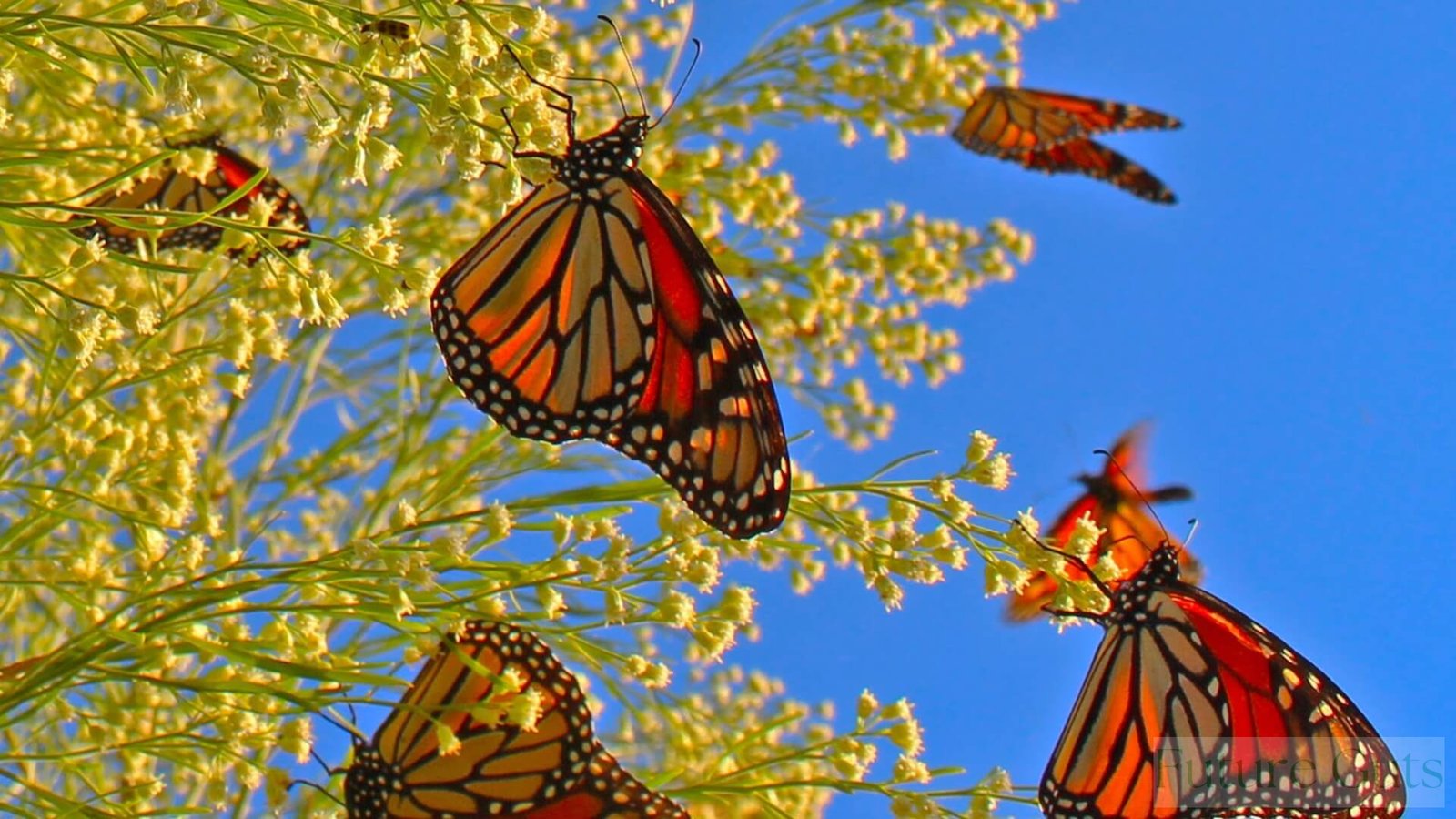

Understanding What Monarch Butterflies Need
To successfully attract monarch butterflies to your garden, it is essential to understand their basic survival needs. Monarchs rely on very specific plants and environmental conditions throughout their life cycle. While adult monarchs feed on nectar from a variety of flowers, their caterpillars can only survive on milkweed plants. This close dependence means that a garden designed for monarchs must support both feeding and breeding, offering food, shelter, and a safe space free from harmful chemicals.
Plant Native Milkweed for Breeding and Survival
Milkweed is the single most important plant for attracting monarch butterflies. Female monarchs lay their eggs exclusively on milkweed, and monarch caterpillars feed on its leaves as their only food source. Choosing native milkweed species is especially important, as they are better adapted to local climates and support healthy monarch development. Including milkweed in your garden transforms it from a simple flower space into a vital habitat that supports the entire monarch life cycle.
Provide Nectar-Rich Flowers for Adult Monarchs
While milkweed supports reproduction, nectar-rich flowers provide energy for adult monarchs. Monarch butterflies are attracted to brightly colored, fragrant flowers that bloom at different times of the year. Planting a variety of native flowering plants ensures a continuous food supply throughout the seasons. A diverse selection of nectar plants not only attracts monarchs but also supports other pollinators, creating a balanced and thriving garden ecosystem.
Create a Safe and Chemical-Free Environment
One of the most critical steps in attracting monarch butterflies is eliminating chemical pesticides and herbicides. These substances can be deadly to monarch caterpillars and adults, even in small amounts. A chemical-free garden allows monarchs to feed, breed, and rest safely. Encouraging natural pest control methods, such as attracting beneficial insects, helps maintain plant health without harming butterflies or disrupting the ecosystem.
Design Shelter and Resting Areas
Monarch butterflies need safe places to rest, hide from predators, and shelter from wind and rain. Including shrubs, tall grasses, and layered plantings creates natural protection within your garden. Even leaving small areas of leaf litter or undisturbed space can provide valuable shelter. These features help monarchs conserve energy and feel secure enough to remain in your garden longer.
Support Monarch Migration Needs
Monarchs are famous for their long-distance migration, and gardens can play an important role along these routes. Providing late-blooming flowers in summer and early fall gives migrating monarchs the energy they need to continue their journey. A well-timed garden with seasonal blooms becomes a crucial stopover that supports monarch survival during migration.
Maintain Your Garden With Patience and Care
Attracting monarch butterflies is not an instant process. It may take time for butterflies to discover your garden and establish breeding patterns. Regular observation, gentle maintenance, and allowing plants to grow naturally help create a welcoming environment. Accepting chewed milkweed leaves as a sign of success rather than damage is an important mindset shift for gardeners supporting monarch conservation.
Why Monarch-Friendly Gardens Matter
Gardens designed for monarch butterflies contribute directly to conservation efforts. Monarch populations have declined due to habitat loss, pesticide use, and climate change. By creating monarch-friendly spaces at home, individuals help restore critical habitat and support biodiversity. Each garden, no matter how small, becomes part of a larger network that sustains monarch butterflies across generations.
Conclusion
Attracting monarch butterflies to your garden requires thoughtful planting, chemical-free practices, and an understanding of their unique life cycle. By providing milkweed, nectar-rich flowers, shelter, and a safe environment, your garden can become a vital refuge for these delicate travelers. Supporting monarchs at home not only brings beauty and wonder to your outdoor space but also plays a meaningful role in protecting one of nature’s most extraordinary species.

Other Articles

Snow Leopards: Guardians of Mountain Ecosystems
Discover the Fascinating World of Whale Sharks