





What MataRecycler Is Designed to Do
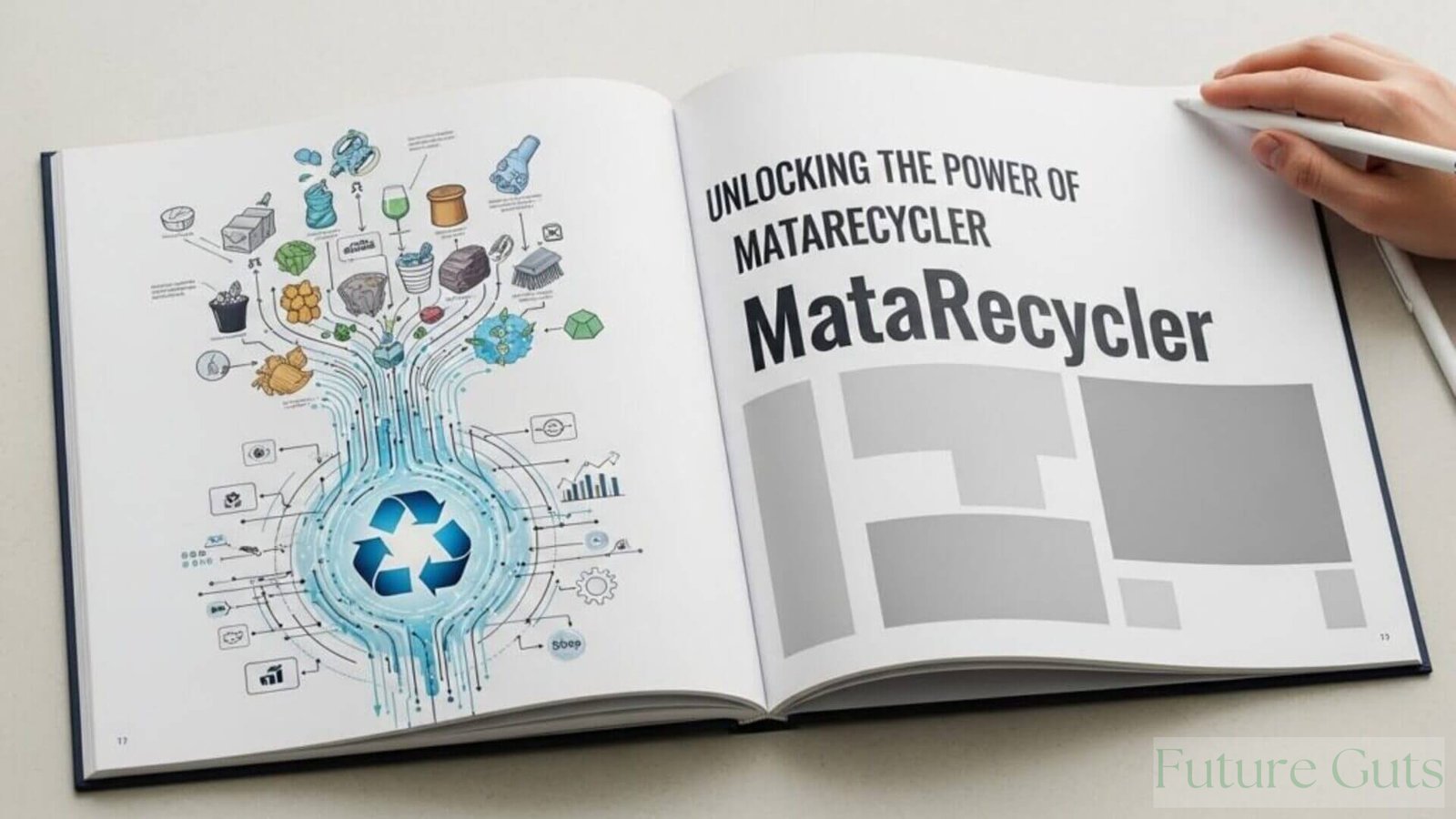
MataRecycler is built to simplify how recycling data, processes, and outcomes are tracked and optimized. The platform focuses on transparency, efficiency, and measurable impact, helping users manage recycling activities from collection to reporting. Understanding its core features step by step makes it easier to unlock value quickly.
Step 1: Account Setup and User Access
Getting started with MataRecycler begins by setting up an account and defining user roles. This step establishes who can view data, manage inputs, and generate reports. Clear access levels ensure accountability while allowing teams or organizations to collaborate without confusion.
Step 2: Material and Category Configuration
One of the first functional steps is configuring recyclable materials and categories. Users define what materials are being tracked—such as plastics, metals, paper, or electronics—so data stays organized and comparable. Proper categorization improves reporting accuracy and helps identify recycling trends over time.
Step 3: Collection and Input Tracking
MataRecycler allows users to log recycling inputs as they occur. This feature captures quantities, dates, locations, and material types in a structured format. Consistent input tracking is essential for building reliable data and understanding recycling performance across different periods or sites.
Step 4: Automated Data Organization
Once data is entered, MataRecycler automatically organizes it into dashboards and summaries. This feature eliminates manual spreadsheets and reduces errors. Automated organization helps users quickly see totals, trends, and changes without spending time on manual calculations.
Step 5: Performance Analytics and Insights
A key MataRecycler feature is its analytics engine. The platform transforms raw recycling data into actionable insights, such as material recovery rates, participation levels, and efficiency trends. These insights support smarter decisions and highlight areas where recycling processes can be improved.
Step 6: Reporting and Documentation Tools
MataRecycler includes reporting tools that allow users to generate clear, structured reports. These reports are useful for internal reviews, regulatory compliance, sustainability goals, or stakeholder communication. Customizable formats make it easier to share progress and demonstrate environmental impact.
Step 7: Monitoring Goals and Progress
Goal-setting features allow users to define recycling targets and track progress over time. Whether the goal is reducing waste, increasing recovery rates, or meeting sustainability benchmarks, MataRecycler provides visual indicators that show how close targets are to being achieved.
Step 8: Continuous Optimization and Updates
The final step is ongoing optimization. MataRecycler is designed for continuous use, where data insights inform better practices. Regular updates, refined inputs, and periodic reviews ensure that recycling efforts remain efficient, transparent, and aligned with long-term sustainability goals.
Conclusion
MataRecycler’s features work best when used step by step—from setup and material tracking to analytics and reporting. By guiding users through structured data input, automated organization, and performance insights, the platform turns recycling from a manual task into a measurable, optimizable process. When used consistently, MataRecycler becomes a powerful tool for improving recycling efficiency, accountability, and environmental impact.

Other Articles