




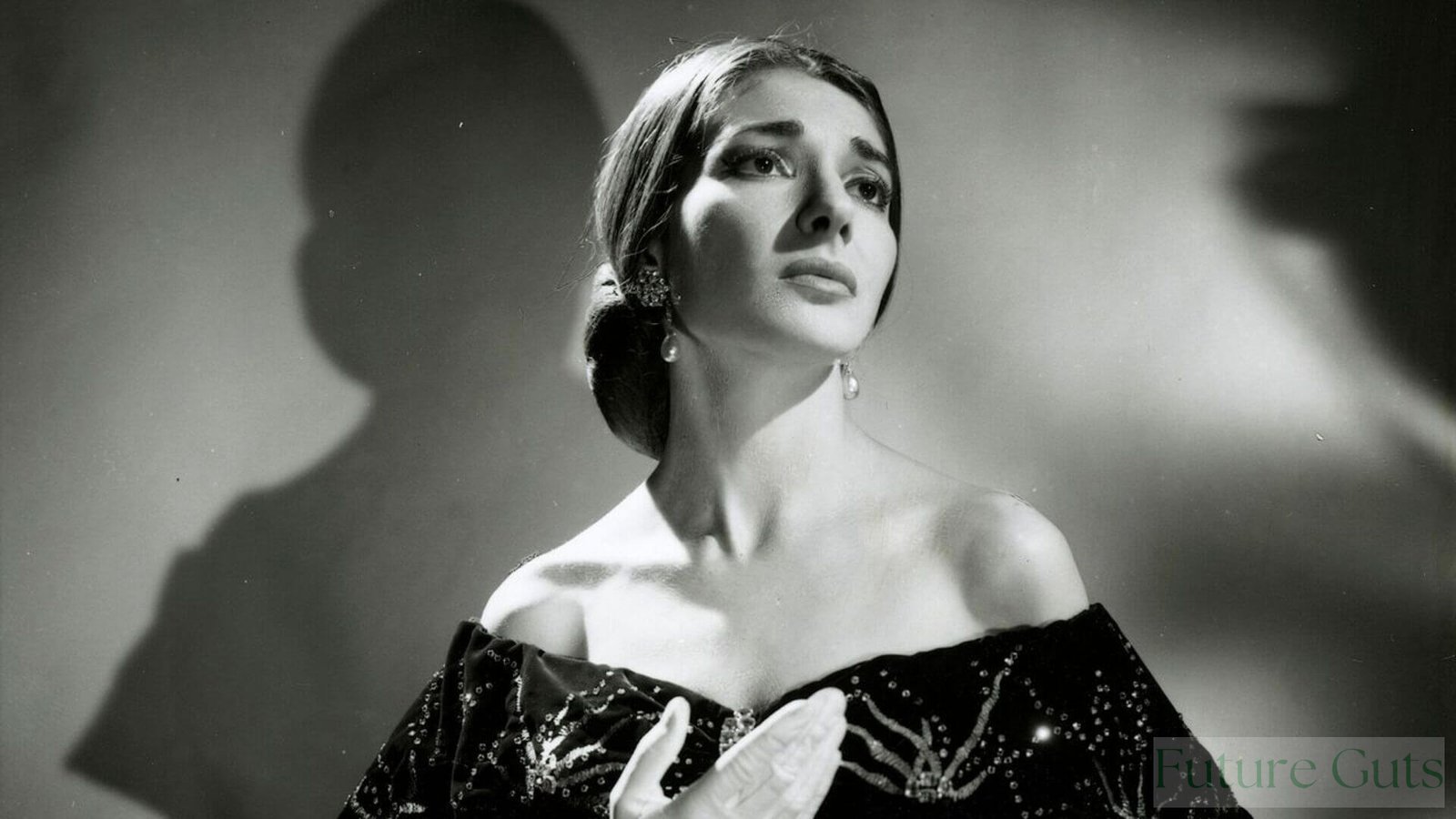

Maria Callas remains one of the most influential and emotionally powerful opera singers in history. Known for her dramatic intensity, technical brilliance, and unmatched ability to embody complex characters, Callas redefined operatic performance in the 20th century. Her most memorable performances are still studied and revered today, not only for vocal excellence but for the deep psychological realism she brought to the stage.
Norma at La Scala (1955)
Maria Callas’s portrayal of Norma at La Scala in 1955 is widely regarded as one of the greatest operatic performances ever recorded. Her interpretation combined vocal control with emotional depth, presenting Norma as both a powerful priestess and a deeply conflicted woman. Callas’s command of bel canto technique, particularly in “Casta Diva,” demonstrated her ability to balance lyrical beauty with dramatic intensity, setting a new standard for the role.
Tosca at the Royal Opera House (1964)
In her performance of Tosca at the Royal Opera House in London, Callas delivered a masterclass in operatic acting. Every gesture and vocal inflection was carefully shaped to reflect Tosca’s emotional turmoil. Rather than relying solely on vocal force, Callas infused the role with psychological realism, making the character’s jealousy, fear, and desperation feel intensely human.
Lucia di Lammermoor in Berlin (1955)
Callas’s performance as Lucia in Berlin showcased her ability to transform technical difficulty into dramatic expression. Her famous mad scene was not merely a display of vocal agility but a haunting portrayal of psychological collapse. The way she shaped phrasing and dynamics created a chilling sense of fragility, redefining how the role could be interpreted both vocally and theatrically.
Medea at La Scala (1953)
As Medea, Maria Callas delivered one of the most ferocious and emotionally raw performances of her career. This role allowed her dramatic instincts to take center stage, blending vocal power with intense theatrical presence. Her Medea was terrifying, tragic, and deeply human, making the performance unforgettable and cementing her reputation as a singing actress of extraordinary depth.
Violetta in La Traviata (1955)
Callas’s portrayal of Violetta in La Traviata revealed her sensitivity to character development across an entire opera. She presented Violetta’s transformation from a carefree socialite to a self-sacrificing woman with heartbreaking clarity. Vocally, Callas adapted her tone and phrasing to mirror Violetta’s physical and emotional decline, creating a performance that felt painfully authentic.
Anna Bolena at La Scala (1957)
In Anna Bolena, Callas revived a role that had largely disappeared from major stages. Her performance brought renewed attention to Donizetti’s dramatic potential, blending regal authority with emotional vulnerability. The final scene, in particular, stood out for its tragic dignity and psychological nuance, proving Callas’s ability to restore forgotten operas to the standard repertoire.
Carmen in Studio Performance (1964)
Although Callas rarely performed Carmen on stage, her studio interpretation remains one of the most discussed recordings of the role. Rather than portraying Carmen as merely seductive, Callas emphasized her independence and defiance. Her dramatic phrasing and intense character focus offered a darker, more complex interpretation that challenged traditional portrayals.
Amina in La Sonnambula (1957)
Callas’s performance as Amina highlighted her lyrical sensitivity and control. She approached the role with emotional sincerity, transforming a seemingly innocent character into one of genuine depth. Her ability to convey vulnerability through subtle vocal shading made this performance memorable despite the opera’s lighter dramatic framework.
Imogene in Il Pirata (1958)
In Il Pirata, Callas delivered a performance filled with emotional extremes, reflecting the opera’s intense romantic tragedy. Her vocal interpretation captured Imogene’s inner turmoil with remarkable clarity, using dramatic contrast and expressive phrasing. This performance further demonstrated Callas’s commitment to character-driven singing rather than pure vocal display.
Final Recital in Paris (1965)
Maria Callas’s final public recital in Paris holds lasting emotional significance. Though her voice showed signs of wear, her interpretive power remained undeniable. The performance symbolized both the end of an extraordinary career and the enduring emotional connection she maintained with audiences. It stands as a poignant reminder that Callas’s artistry transcended technical perfection.
Conclusion
In conclusion, Maria Callas’s most memorable performances were defined not just by vocal achievement, but by her revolutionary approach to operatic storytelling. She transformed opera into a deeply emotional and dramatic art form, where character and psychology were as important as technique. These performances continue to influence singers, directors, and audiences worldwide, ensuring that Maria Callas’s legacy remains timeless in the history of classical music.

Other Articles

Why the Geekzilla Podcast Stands Out
Cumhuritey: Foundations of a Modern Republic Society