



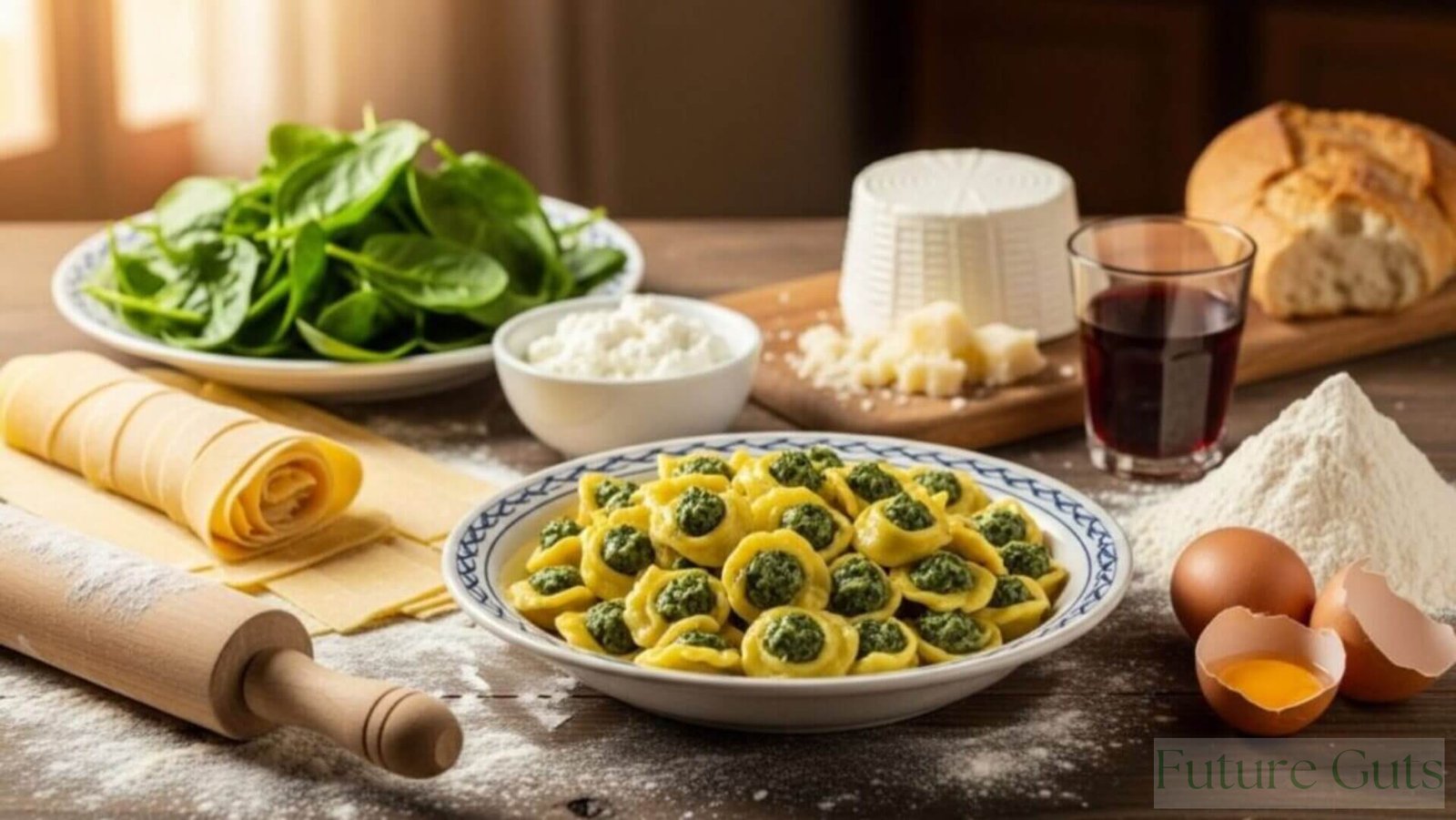

Levapioli is a comforting stuffed pasta dish that combines tender homemade dough with a flavorful filling, creating a rich and satisfying meal. While the name may vary depending on regional influence, Levapioli is often associated with ravioli-style pasta that features delicate pockets filled with cheese, meat, or vegetables. Making Levapioli at home may seem complex at first, but with the right ingredients, preparation techniques, and attention to detail, you can create a restaurant-quality dish in your own kitchen.
Understanding Levapioli and Its Origins
Levapioli is typically inspired by traditional stuffed pasta dishes found in Italian cuisine, particularly ravioli. The concept centers around thin sheets of pasta dough that are filled, sealed, and gently cooked until tender. The beauty of Levapioli lies in its versatility, as the filling can be customized based on taste preferences. Whether you prefer a creamy ricotta-based mixture, a savory minced meat blend, or a vegetable-forward filling, the preparation method remains consistent.
Essential Ingredients for Homemade Levapioli
To prepare Levapioli from scratch, you will need simple pantry staples for the pasta dough, including all-purpose flour, eggs, a pinch of salt, and a small amount of olive oil. These ingredients combine to form a smooth and elastic dough that can be rolled thin without tearing. For the filling, ricotta cheese mixed with grated Parmesan, finely chopped herbs, garlic, and black pepper creates a classic flavor profile. Alternatively, a seasoned ground meat filling with onions and spices provides a richer, heartier option. Fresh ingredients are key to achieving the best flavor and texture.
Preparing the Pasta Dough Properly
The foundation of delicious Levapioli begins with properly prepared dough. Start by forming a mound of flour on a clean surface and creating a well in the center for the eggs. Gradually incorporate the flour into the eggs until a dough begins to form. Knead the mixture thoroughly for several minutes until it becomes smooth and elastic. This step is essential because proper kneading develops the gluten structure, allowing the dough to stretch without breaking. After kneading, the dough should rest for at least thirty minutes under a clean cloth to relax and become easier to roll.
Creating a Flavorful Filling
While the dough rests, prepare the filling. If using a cheese filling, combine ricotta, grated Parmesan, chopped parsley or basil, minced garlic, salt, and pepper in a bowl. The mixture should be smooth yet firm enough to hold its shape when placed on the pasta sheet. For a meat filling, cook seasoned ground meat with finely diced onions until fully browned and allow it to cool before use. Cooling is important because hot filling can soften the dough prematurely, making it harder to seal properly.
Shaping and Sealing Levapioli
Roll the rested dough into thin sheets using a rolling pin or pasta machine. The thinner the dough, the more delicate and authentic the final Levapioli will be. Place small portions of filling evenly spaced on one sheet of pasta, then carefully lay another sheet over the top. Press around each mound of filling to remove air pockets and seal the edges securely. Proper sealing prevents the filling from leaking during cooking. Cut the Levapioli into squares or circles using a knife or cutter and ensure all edges are firmly pressed.
Cooking Levapioli to Perfection
Bring a large pot of salted water to a gentle boil. Carefully drop the Levapioli into the water, ensuring they do not stick together. Fresh Levapioli typically cooks quickly, often within three to five minutes. You will know they are ready when they float to the surface and the pasta becomes tender. Avoid overcooking, as this can cause the pasta to become too soft and compromise the texture.
Serving Suggestions and Sauce Pairings
Levapioli pairs beautifully with a variety of sauces. A simple butter and sage sauce enhances the delicate flavors of a cheese filling, while a rich tomato sauce complements meat-filled versions. A light cream sauce with herbs can also elevate the dish without overpowering it. Garnish with freshly grated Parmesan and a sprinkle of chopped herbs for a balanced and visually appealing presentation.
Tips for Perfect Homemade Levapioli
Consistency is key when making Levapioli at home. Ensure the dough is rolled evenly, the filling is not overly wet, and the edges are tightly sealed. Working patiently and methodically will improve the final result. If preparing in advance, Levapioli can be lightly floured and refrigerated for a few hours before cooking, or frozen for longer storage.
Conclusion
Making Levapioli at home is a rewarding culinary experience that combines simple ingredients with traditional pasta-making techniques. By focusing on proper dough preparation, balanced filling, and careful sealing, you can achieve a delicious and authentic stuffed pasta dish. With practice and attention to detail, Levapioli can become a comforting homemade favorite that showcases both creativity and classic cooking methods.


Pantagonar: How to Use It for Maximum Benefits
JupiterQQ Account Registration Guide