


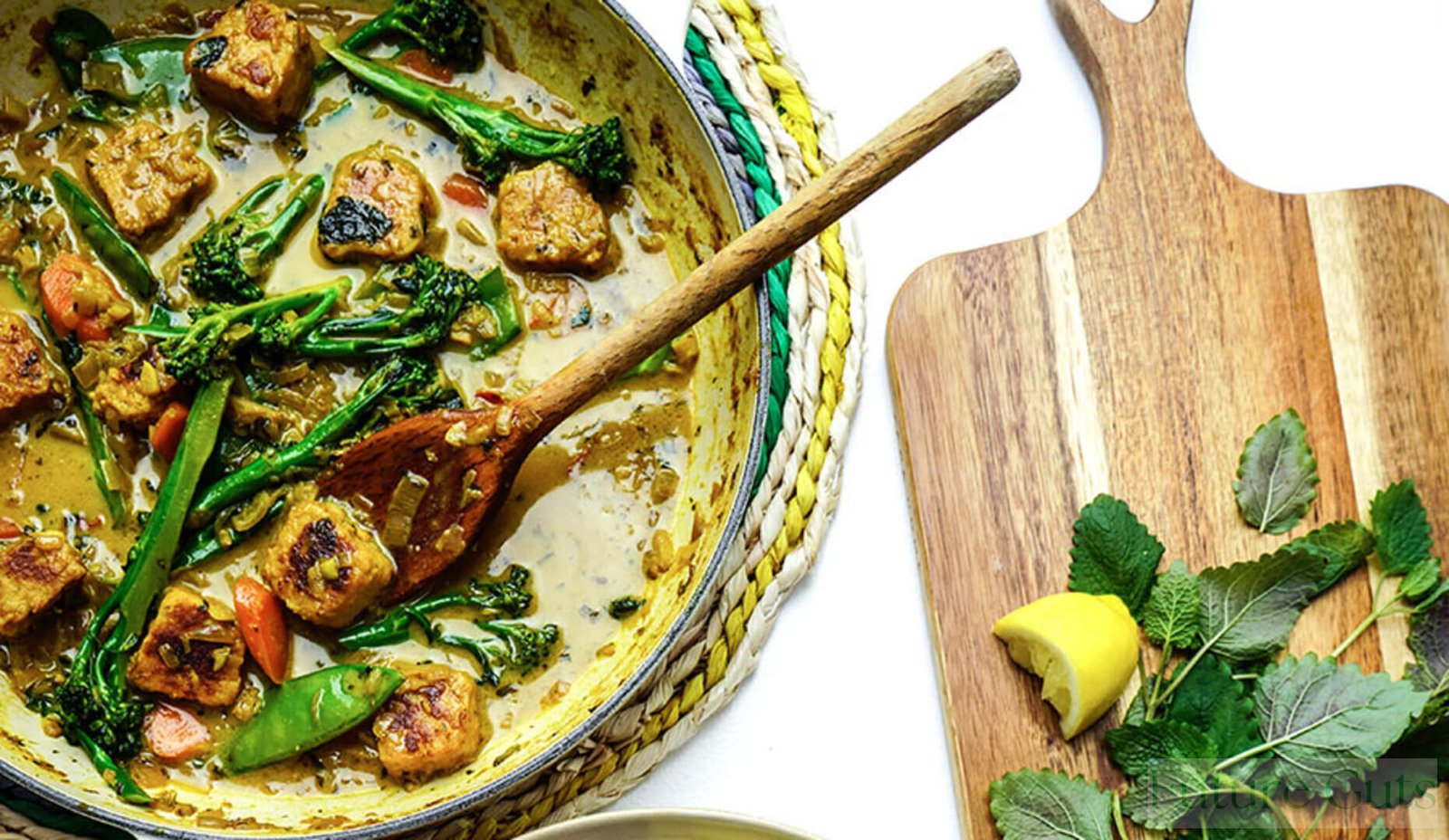

Lemon balm Recipes are a fragrant herb from the mint family known for its light citrus aroma and subtle sweetness. Scientifically called Melissa officinalis, it has been used for centuries in traditional kitchens and herbal practices across Europe and the Mediterranean. Today, lemon balm is gaining renewed popularity in home cooking because of its refreshing flavor and versatility. From beverages to desserts and savory dishes, this herb can easily elevate everyday meals with a delicate lemon-like brightness.
Why Lemon Balm Deserves a Place in Your Kitchen
Lemon balm offers more than just aroma. Its gentle citrus flavor makes it an excellent alternative to lemon zest when you want a softer, herbal note without strong acidity. The leaves pair well with fruits, vegetables, poultry, seafood, and even baked goods. Because it belongs to the mint family, it also complements other herbs such as basil, thyme, and parsley. Fresh lemon balm works best when added at the end of cooking to preserve its essential oils and prevent bitterness.
Beyond taste, lemon balm has traditionally been appreciated for its calming properties and digestive support, which makes it especially popular in teas and light evening dishes. When used in everyday cooking, it brings both flavor and subtle wellness appeal to your meals.
Lemon Balm Herbal Tea With a Fresh Citrus Twist
One of the simplest and most popular ways to enjoy lemon balm is in herbal tea. Fresh or dried leaves can be steeped in hot water for several minutes to release their mild lemon aroma. For added depth, you can combine lemon balm with a slice of fresh ginger or a small amount of honey. This tea works well as a soothing evening drink and can also be served chilled over ice for a refreshing summer beverage. Because the flavor is naturally light, it does not overpower other ingredients, making it ideal for daily consumption.
Lemon Balm and Honey Infused Syrup
A homemade lemon balm syrup can transform ordinary drinks and desserts into something special. By gently simmering lemon balm leaves with water and natural sweetener, you create a fragrant syrup that can be drizzled over pancakes, stirred into sparkling water, or mixed into mocktails. The herb’s natural citrus aroma enhances the sweetness without needing artificial flavoring, making it a creative way to introduce fresh herbs into everyday recipes.
Fresh Lemon Balm Pesto for Light Pasta Dishes
Lemon balm can be blended into pesto as a substitute or complement to basil. When combined with olive oil, garlic, nuts, and a mild cheese, it creates a bright, herbaceous sauce perfect for pasta or grilled vegetables. The subtle citrus notes add freshness without overpowering the dish. This variation works especially well during warmer months when lighter meals are preferred.
Lemon Balm Butter for Bread and Grilled Foods
Compound butter infused with finely chopped lemon balm leaves adds a gentle herbal flavor to bread, roasted vegetables, or grilled fish. Simply mixing softened butter with fresh lemon balm and a pinch of salt creates a versatile spread. When melted over warm food, the herb releases its aroma, enhancing the overall taste experience without being too intense.
Fruit Salad With Lemon Balm Garnish
Fresh fruit salads benefit from a hint of herbal brightness. Finely sliced lemon balm leaves can be sprinkled over berries, melon, or citrus segments. The herb complements natural fruit sweetness while adding a subtle layer of complexity. Because it is mild, it pairs particularly well with strawberries and peaches, offering a balanced contrast without masking the fruit’s original flavor.
Lemon Balm Infused Olive Oil
Infusing olive oil with lemon balm creates a lightly scented oil suitable for salad dressings or drizzling over grilled vegetables. To prepare, fresh leaves are gently bruised and submerged in high-quality olive oil, then left to infuse for several days. The result is a delicately flavored oil that adds a unique touch to simple dishes. This method allows cooks to incorporate lemon balm into savory recipes without altering texture.
Light Lemon Balm Desserts
Lemon balm can be incorporated into custards, sorbets, and simple cakes by steeping the leaves in milk or cream before mixing. The infusion adds a soft citrus aroma that enhances desserts without overwhelming sweetness. Because its flavor is subtle, it pairs best with vanilla, honey, or mild berries. This makes it ideal for everyday treats that aim to feel fresh rather than heavy.
Tips for Cooking With Lemon Balm
To get the best results, use young, fresh leaves whenever possible. Chop them gently to avoid bruising, and add them near the end of cooking to preserve their flavor. If using dried lemon balm, remember that the taste becomes more concentrated, so smaller quantities are usually sufficient. Proper storage in a cool, dry place helps maintain its aroma and quality.
Conclusion
Lemon balm is a versatile and approachable herb that can enhance everyday cooking with its soft citrus fragrance and gentle flavor. From calming teas to savory sauces and light desserts, these creative recipes show how easily it fits into daily meals. By experimenting with lemon balm in both sweet and savory dishes, home cooks can introduce a refreshing twist to familiar recipes while enjoying the natural brightness this herb brings to the table.

Other Articles

ksözcü: Meaning, Mystery, and 7 Key Insights
Weird Wealth: Unconventional Income Trends in 2026