




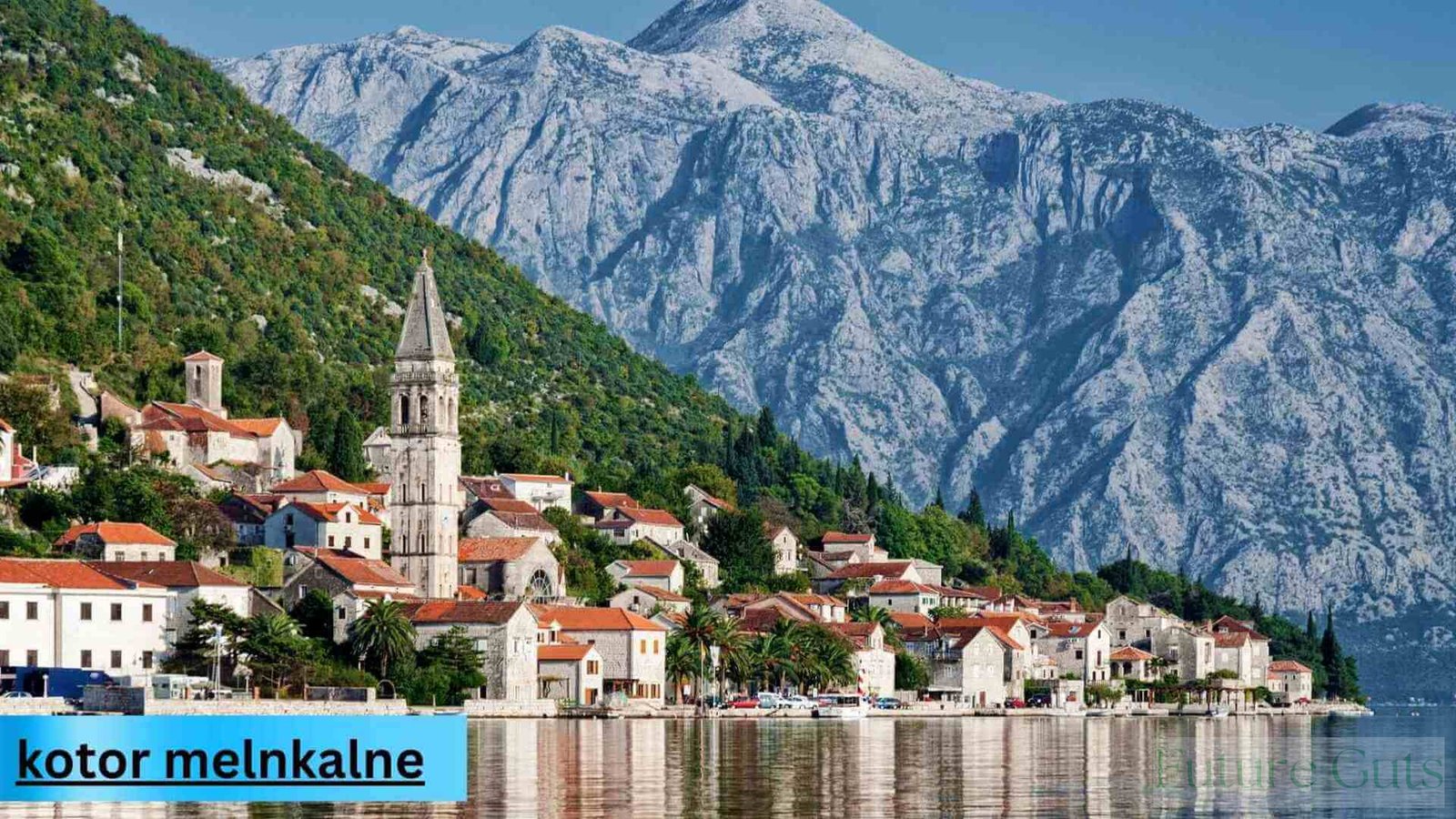

Kotor, locally referred to as Kotora Melnkalne, is often described as a hidden European gem, though it is important to clarify its true geographical identity. Despite occasional online references linking it to the Baltic region, Kotor is actually located in Southeastern Europe along the Adriatic coast of Montenegro. This distinction matters for travelers and readers seeking accurate regional context, as Kotor’s history, culture, and landscape are shaped by the Balkans and the Mediterranean rather than Northern or Baltic Europe.
Geographical Setting and Natural Beauty
Kotor sits at the innermost part of the Bay of Kotor, a dramatic inlet surrounded by steep limestone mountains. The bay is frequently compared to a fjord due to its narrow shape and towering cliffs, although it is technically a submerged river canyon. The natural scenery defines Kotor’s identity, with calm blue waters meeting rugged peaks that create one of the most visually striking coastal landscapes in Europe. This combination of sea and mountains gives the city a peaceful yet majestic atmosphere that attracts travelers looking for unspoiled beauty.
Historical Significance and Old Town Charm
The heart of Kotor lies in its remarkably preserved Old Town, a UNESCO World Heritage Site that reflects centuries of layered history. Influences from Roman, Byzantine, Venetian, and Slavic civilizations are visible throughout the city’s architecture and layout. Narrow stone streets, medieval squares, and ancient churches create a sense of stepping back in time. The fortified city walls, which climb dramatically up the mountainside, stand as a reminder of Kotor’s strategic importance during periods of regional conflict and maritime trade.
Cultural Identity and Local Life
Kotor’s culture is deeply connected to maritime traditions and Orthodox and Catholic heritage. Local festivals, religious celebrations, and traditional music continue to play an important role in daily life. Unlike larger tourist cities, Kotor retains a strong local character, where residents coexist closely with visitors. Cafés, small shops, and family-run restaurants contribute to a slower, more authentic pace that appeals to travelers seeking cultural depth rather than mass tourism.
Why Kotor Is Often Called a Hidden Gem
Kotor earns its reputation as a hidden gem because it offers world-class scenery and history without the overwhelming crowds found in more commercialized European destinations. While tourism has grown in recent years, especially from cruise ships, much of Kotor’s charm lies in exploring early mornings or quieter seasons when the city feels intimate and serene. Its relative affordability compared to Western Europe also adds to its appeal for travelers looking for high value and rich experiences.
Common Misconceptions About the Baltic Connection
The association of “Kotora Melnkalne” with the Baltic region is a common misconception likely caused by linguistic confusion or regional mislabeling online. In reality, Montenegro is part of the Balkan Peninsula, and its cultural and historical roots differ significantly from Baltic countries such as Estonia, Latvia, or Lithuania. Understanding this distinction helps set accurate expectations for climate, cuisine, and cultural influences when planning a visit or researching the region.
Conclusion
In conclusion, Kotora Melnkalne, known internationally as Kotor, stands out as one of Southeastern Europe’s most captivating destinations. Its dramatic natural setting, rich historical legacy, and authentic local culture make it a true hidden gem, even if it is sometimes mistakenly linked to the Baltic region. For travelers seeking a destination that blends history, scenery, and tranquility, Kotor offers a memorable experience rooted firmly in the heart of the Balkans rather than Northern Europe.
Frequently Asked Questions About Kotora Melnkalne
Is Kotora Melnkalne really part of the Baltic region?
Kotora Melnkalne is often mistakenly associated with the Baltic region, but this is not geographically accurate. Kotora Melnkalne refers to Kotor, which is located in Montenegro on the Adriatic coast in Southeastern Europe. The confusion usually comes from online mislabeling or linguistic similarities, but culturally, historically, and geographically, Kotor belongs to the Balkan region, not the Baltic countries of Northern Europe.
Where exactly is Kotor located in Europe?
Kotor is situated in southwestern Montenegro, at the innermost part of the Bay of Kotor along the Adriatic Sea. It is surrounded by steep mountains that create a dramatic natural setting and protect the city from harsh weather. Its position made it historically important for maritime trade and defense, which is why it developed strong fortifications and a rich cultural heritage influenced by multiple civilizations.
Why is Kotor considered a hidden gem?
Kotor is considered a hidden gem because it offers extraordinary natural scenery, medieval architecture, and deep historical significance without the intense commercialization found in many European tourist hubs. Although tourism has increased in recent years, especially during cruise season, Kotor still maintains a calm, authentic atmosphere, particularly in the early mornings and off-season months. This balance of beauty and tranquility makes it especially appealing to travelers seeking meaningful experiences.
What is the historical importance of Kotor’s Old Town?
Kotor’s Old Town is a UNESCO World Heritage Site known for its well-preserved medieval layout and architecture. Over centuries, the city was influenced by Roman, Byzantine, Venetian, and Slavic rule, all of which left visible marks on its churches, squares, and defensive walls. The Old Town reflects Kotor’s strategic role as a fortified coastal city and remains one of the best-preserved historical centers in the Adriatic region.
What kind of culture can visitors expect in Kotor?
Visitors to Kotor can expect a culture deeply rooted in maritime traditions, religious heritage, and local customs. The city blends Orthodox and Catholic influences, which are reflected in its festivals, architecture, and daily life. Unlike large resort destinations, Kotor retains a strong local presence, with residents actively shaping the city’s rhythm through traditional events, family-run businesses, and long-standing community practices.

Other Articles

How to Navigate the Pigeimmo Real Estate Market Successfully
10 Essential Tips for Working with Pentikioyr Successfully