



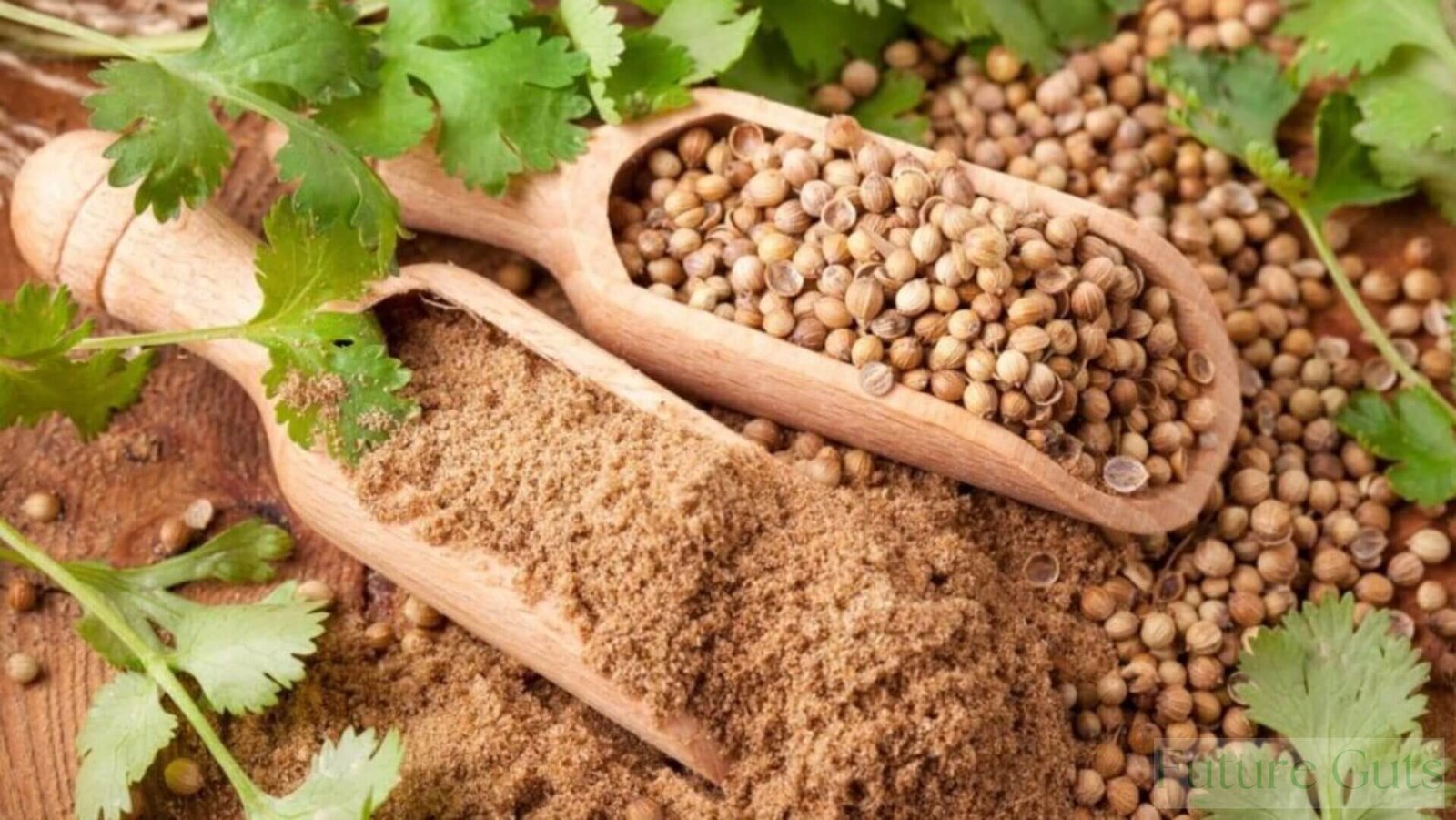

Koriandri, commonly known as coriander or cilantro, is a widely used herb valued for its fresh aroma, distinctive flavor, and nutritional richness. Used across Asian, Middle Eastern, and global cuisines, koriandri plays both a culinary and medicinal role. Beyond enhancing taste, it contains essential nutrients and bioactive compounds that contribute to overall health, making it an important ingredient in traditional and modern diets.
Nutritional Profile of Koriandri
Koriandri is low in calories but rich in essential vitamins and minerals that support daily nutritional needs. The leaves are a good source of vitamin C, vitamin K, and vitamin A, all of which contribute to immune function, bone health, and vision. It also contains small amounts of potassium, calcium, magnesium, and iron, supporting muscle function, circulation, and overall metabolic balance. The presence of antioxidants further enhances its nutritional value by helping the body combat oxidative stress.
Health Benefits of Koriandri
One of the most recognized health benefits of koriandri is its support for digestion. It has traditionally been used to reduce bloating, improve appetite, and ease stomach discomfort. The antioxidants and natural compounds found in koriandri may help regulate blood sugar levels and support heart health by reducing bad cholesterol levels. Its anti-inflammatory and antibacterial properties also contribute to improved immunity and may help the body fight mild infections. Regular consumption of koriandri as part of a balanced diet can support overall wellness rather than act as a standalone remedy.
Role of Koriandri in Detoxification
Koriandri is often associated with natural detoxification due to its ability to support the body’s cleansing processes. It is believed to help the body eliminate certain heavy metals and toxins by binding to them and aiding their removal. While scientific research is still evolving in this area, koriandri’s antioxidant content plays a role in protecting organs such as the liver from oxidative damage, which is essential for effective detoxification.
Culinary Uses of Koriandri
Koriandri is used in multiple forms, including fresh leaves, dried leaves, and seeds, each offering a unique flavor profile. Fresh koriandri leaves are commonly added to salads, curries, chutneys, and soups to enhance freshness and aroma. The seeds, which have a warm and slightly citrusy flavor, are widely used as a spice in cooking and seasoning blends. Its versatility makes koriandri a staple ingredient in home kitchens and professional cooking alike.
Traditional and Medicinal Uses
In traditional medicine systems, koriandri has been used for centuries to support digestion, reduce inflammation, and promote relaxation. It has been consumed as teas, infusions, or added to meals for its cooling properties. Some traditional practices also associate koriandri with skin health and improved sleep, although these uses are largely based on historical knowledge rather than clinical treatment guidelines.
Health Value in Daily Diet
Including koriandri in the daily diet adds both flavor and nutritional support without increasing calorie intake. Its combination of vitamins, antioxidants, and plant compounds contributes to long-term health when consumed regularly as part of a balanced meal plan. Whether used fresh or dried, koriandri enhances food quality while supporting digestion, immunity, and overall metabolic health.
Conclusion
In conclusion, koriandri is more than just a flavorful herb; it is a nutrient-rich ingredient with notable health value. Its benefits range from digestive support and antioxidant protection to culinary versatility and traditional wellness uses. By incorporating koriandri into everyday meals, individuals can enjoy both its distinctive taste and its contribution to a healthier, well-balanced diet.

Other Articles

Tsunaihaiya Explained: Meaning, Culture, Art & Coastal Roots
Louisa Kochansky 10 Most Notable Achievements