




Baking a cake at home is one of the most rewarding kitchen experiences, combining simple ingredients with careful technique to create a delicious result. Whether you are a beginner or someone looking to improve your baking skills, understanding each step of the process helps ensure consistent results. This guide explains how to bake a cake at home in a clear, practical way while following a structured and easy-to-understand approach.
Understanding the Basics of Cake Baking
Before starting, it is important to understand that baking is both a science and an art. Cakes rely on precise ingredient ratios and controlled heat to rise properly and develop the right texture. Flour provides structure, eggs bind ingredients together, sugar adds sweetness and moisture, and fat such as butter or oil contributes richness. Knowing the role of each ingredient helps prevent common mistakes such as dense or uneven cakes.
Preparing Your Ingredients and Tools
Successful cake baking begins with proper preparation. Ingredients should be measured accurately and brought to room temperature, especially eggs and butter, as this allows them to blend smoothly. Preparing your baking pan by greasing and lightly dusting it with flour helps prevent sticking. Preheating the oven in advance is also essential, as cakes need consistent heat from the moment they go in to rise evenly.
Mixing the Cake Batter Correctly
Mixing the batter is a crucial step that directly affects the cake’s texture. Dry ingredients such as flour, baking powder, and salt should be combined evenly before being mixed with wet ingredients. Butter and sugar are usually creamed together first to incorporate air, which helps the cake rise. Eggs are added gradually, followed by dry ingredients and milk or other liquids. Mixing should be done gently and only until combined, as overmixing can lead to a tough cake.
Baking the Cake at the Right Temperature
Once the batter is ready, it should be poured evenly into the prepared pan and placed in the preheated oven. Maintaining the correct baking temperature is essential, as a temperature that is too high can cause the cake to rise unevenly or crack, while a temperature that is too low can result in a dense texture. During baking, the oven door should remain closed as much as possible to avoid sudden temperature changes.
Checking for Doneness and Cooling Properly
A cake is typically done when it turns lightly golden and springs back when gently touched. Another reliable method is inserting a toothpick into the center; if it comes out clean or with a few crumbs, the cake is ready. After removing the cake from the oven, it should be allowed to cool in the pan for a short time before being transferred to a wire rack. Proper cooling helps the cake set and prevents it from breaking apart.
Decorating and Serving Your Homemade Cake
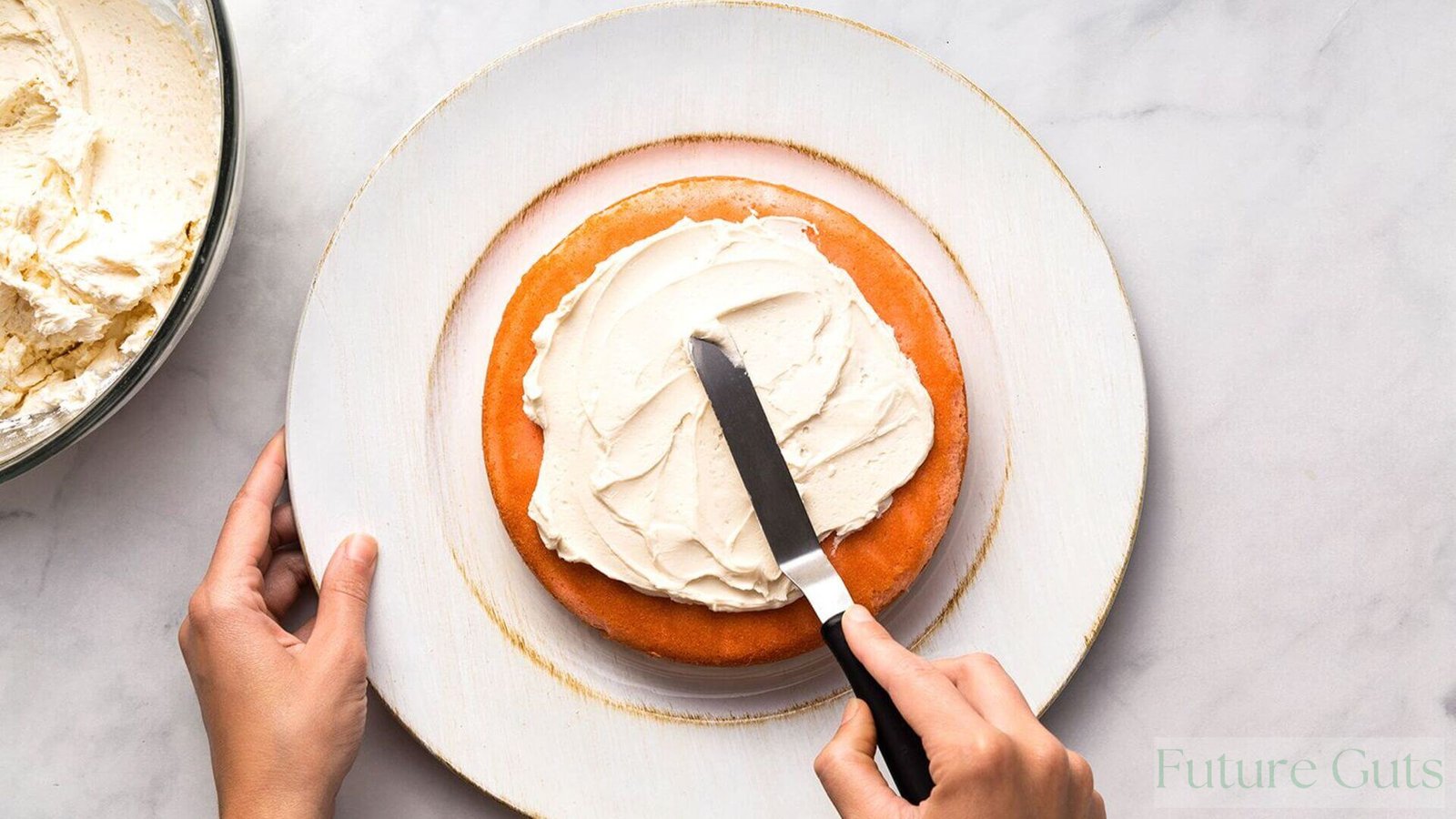
Once fully cooled, the cake can be decorated according to preference. Simple options include dusting with powdered sugar or spreading a basic frosting, while more elaborate decorations can be added for special occasions. Serving a homemade cake fresh enhances its flavor and texture, making the effort worthwhile. Storing leftovers properly ensures the cake remains moist for several days.
Conclusion
Baking a cake at home becomes easy and enjoyable when each step is followed with care and attention. From understanding ingredient roles to mixing the batter correctly and baking at the right temperature, every stage contributes to the final result. With practice and patience, this simple step-by-step process allows anyone to create a soft, flavorful cake at home while building confidence in basic baking skills.

Other Articles

Labubu: Full Story Spoilers Explained
7 Key Themes in My Dead Lover Returned as a Tyrant