



Evil eye meaning is one of the oldest and most widespread spiritual beliefs in human history. Found across cultures, religions, and continents, the evil eye represents the idea that a person can cause harm to another through envy, jealousy, or negative intention—often simply through a glance. While interpretations vary, the core belief remains consistent: excessive admiration or hidden resentment can spiritually affect a person’s well-being, success, or protection.
Understanding the meaning of the evil eye requires exploring its historical roots, cultural interpretations, symbolic representations, and modern-day relevance. Despite its ancient origins, the belief continues to influence traditions, jewelry, rituals, and spiritual practices around the world.
The Origin and Historical Background of the Evil Eye
The belief in the evil eye dates back thousands of years to ancient civilizations including Mesopotamia, Greece, Rome, and Egypt. Archaeological findings show that protective eye symbols were used as early as 3,000 BCE. Ancient texts from Greek and Roman writers described the evil eye as a dangerous force caused by envy, capable of bringing illness, misfortune, or bad luck.
In ancient Mediterranean societies, the evil eye was often associated with jealousy toward wealth, beauty, children, or success. It was believed that vulnerable individuals—especially infants and newlyweds—were particularly at risk. Protective charms and rituals were developed to shield individuals from this unseen spiritual harm.
What Does the Evil Eye Symbol Mean
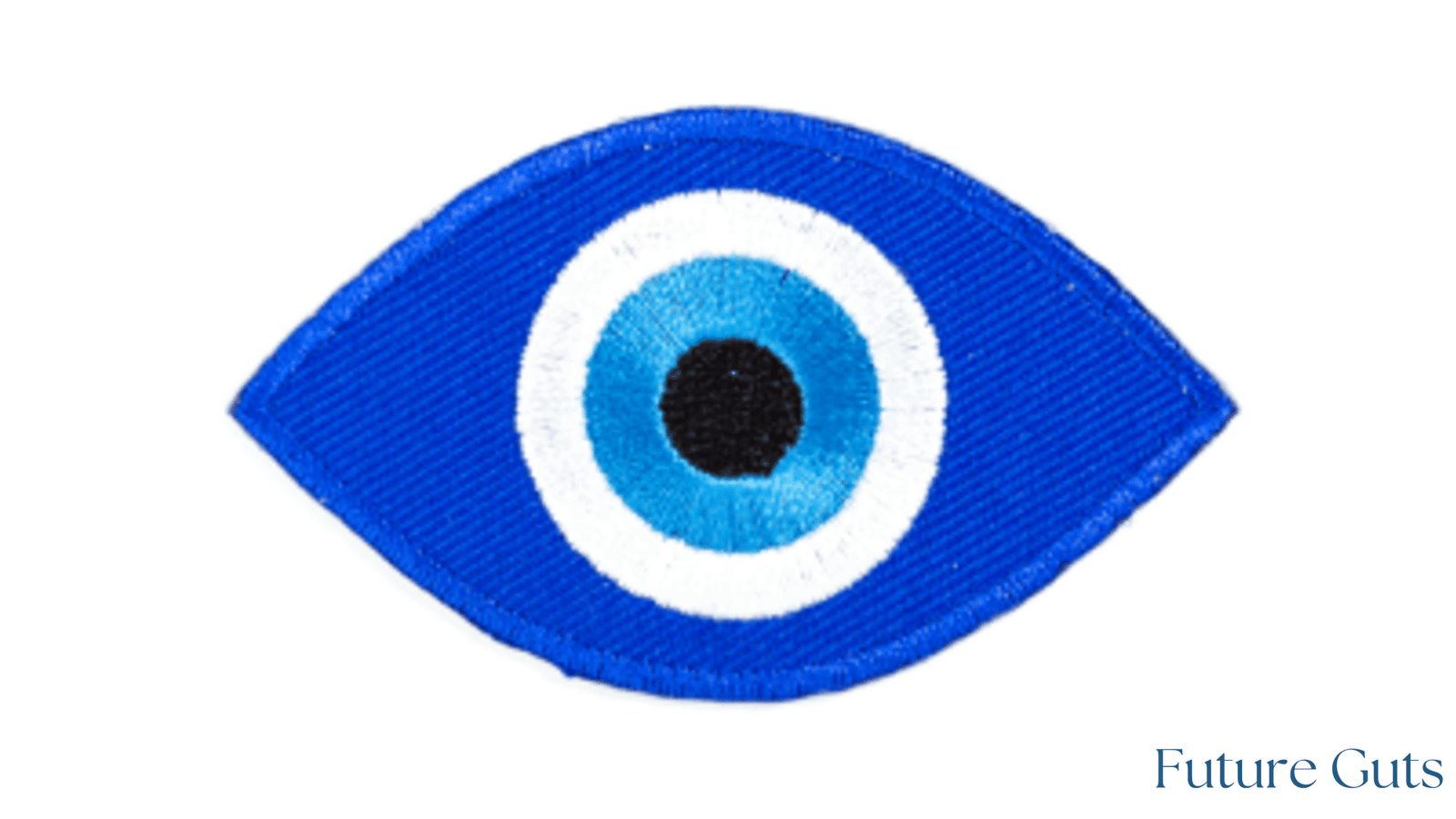
The evil eye symbol, commonly represented as a blue eye-shaped amulet, is intended as protection rather than harm. Its purpose is to reflect or deflect negative energy back to its source. The most recognizable form is the Turkish “nazar” bead, often called the “nazar boncuğu,” which features concentric circles of blue, white, and black designed to resemble an eye.
Symbolically, the eye represents awareness and vigilance. By “watching back,” the amulet is believed to guard the wearer against unseen negativity. The color blue is traditionally associated with protection, calmness, and spiritual defense in many cultures.
Cultural Beliefs Across Different Regions
The evil eye belief appears in numerous cultures, each with unique interpretations. In Mediterranean and Middle Eastern regions, the belief remains deeply embedded in everyday life. Protective charms are commonly placed in homes, vehicles, and workplaces. In South Asian traditions, rituals are often performed to remove the evil eye, especially for children or after significant achievements.
In Latin American cultures, the concept is sometimes referred to as “mal de ojo,” where envy is believed to cause physical symptoms such as headaches or fatigue. Folk remedies and spiritual cleansing practices are commonly used as protection.
Although the religious perspectives differ, the shared theme across cultures is the acknowledgment of envy as a powerful emotional force capable of spiritual or psychological impact.
The Psychological and Social Interpretation
Beyond spiritual belief, some scholars interpret the evil eye as a social mechanism addressing jealousy and community balance. In tightly connected societies, openly displaying wealth or success could create social tension. The evil eye belief may have served as a reminder to remain humble and avoid provoking envy.
Psychologically, the concept also reflects human awareness of emotional energy. Feelings of jealousy, resentment, or negativity can affect relationships and personal well-being. In this sense, the evil eye symbolizes the broader impact of negative emotions within social environments.
Modern Use of the Evil Eye Symbol
Today, the evil eye symbol has become both a spiritual emblem and a fashion accessory. Jewelry featuring the protective eye is widely worn as necklaces, bracelets, rings, and earrings. Many individuals wear the symbol regardless of religious background, viewing it as a cultural or protective charm.
Interior décor items, clothing, and digital designs also incorporate the symbol. While some people embrace it for its traditional spiritual meaning, others appreciate its aesthetic appeal and cultural heritage.
The modern popularity of the evil eye reflects how ancient symbols can adapt to contemporary lifestyles while maintaining their historical essence.
Common Misconceptions About the Evil Eye
A frequent misunderstanding is that the evil eye symbol itself represents evil. In reality, the symbol is protective and intended to guard against harm rather than cause it. Another misconception is that the belief belongs to a single religion. In fact, it transcends religious boundaries and appears in various faith traditions and cultural practices.
It is also important to distinguish between superstition and cultural tradition. For many people, the evil eye is part of family heritage rather than strict spiritual doctrine.
Conclusion
The meaning of the evil eye is rooted in ancient history and shaped by centuries of cultural evolution. From early Mediterranean civilizations to modern global fashion trends, the belief reflects humanity’s long-standing awareness of envy and its perceived consequences. Whether understood as a spiritual force, a cultural tradition, or a symbolic reminder to guard against negativity, the evil eye remains one of the world’s most enduring protective symbols. Its continued presence in jewelry, rituals, and everyday life demonstrates how deeply connected people remain to symbols of protection and balance.

Other Articles

Irobux Login Guide: Step-by-Step Instructions
ksözcü: Meaning, Mystery, and 7 Key Insights