


Broccolini—often referred to in some contexts as “Crocolini” due to spelling variations or informal naming—is a modern green vegetable that has gained popularity in contemporary kitchens for its delicate flavor, tender stems, and nutritional benefits. Developed as a hybrid vegetable, broccolini combines qualities of traditional broccoli with Chinese broccoli, resulting in a milder taste and a more versatile ingredient for cooking. As consumer interest in healthy, plant-based foods continues to grow, this vegetable has become increasingly valued by chefs, home cooks, and nutrition experts alike.
Understanding Crocolini and Its Origins
Crocolini, more widely recognized as broccolini, is a relatively recent addition to the vegetable world compared to traditional crops that have been cultivated for centuries. It was developed through careful plant breeding to combine the sweetness and tenderness of Chinese kale with the familiar appearance of broccoli. The result is a vegetable with small florets, long edible stems, and delicate leaves that are all suitable for cooking.
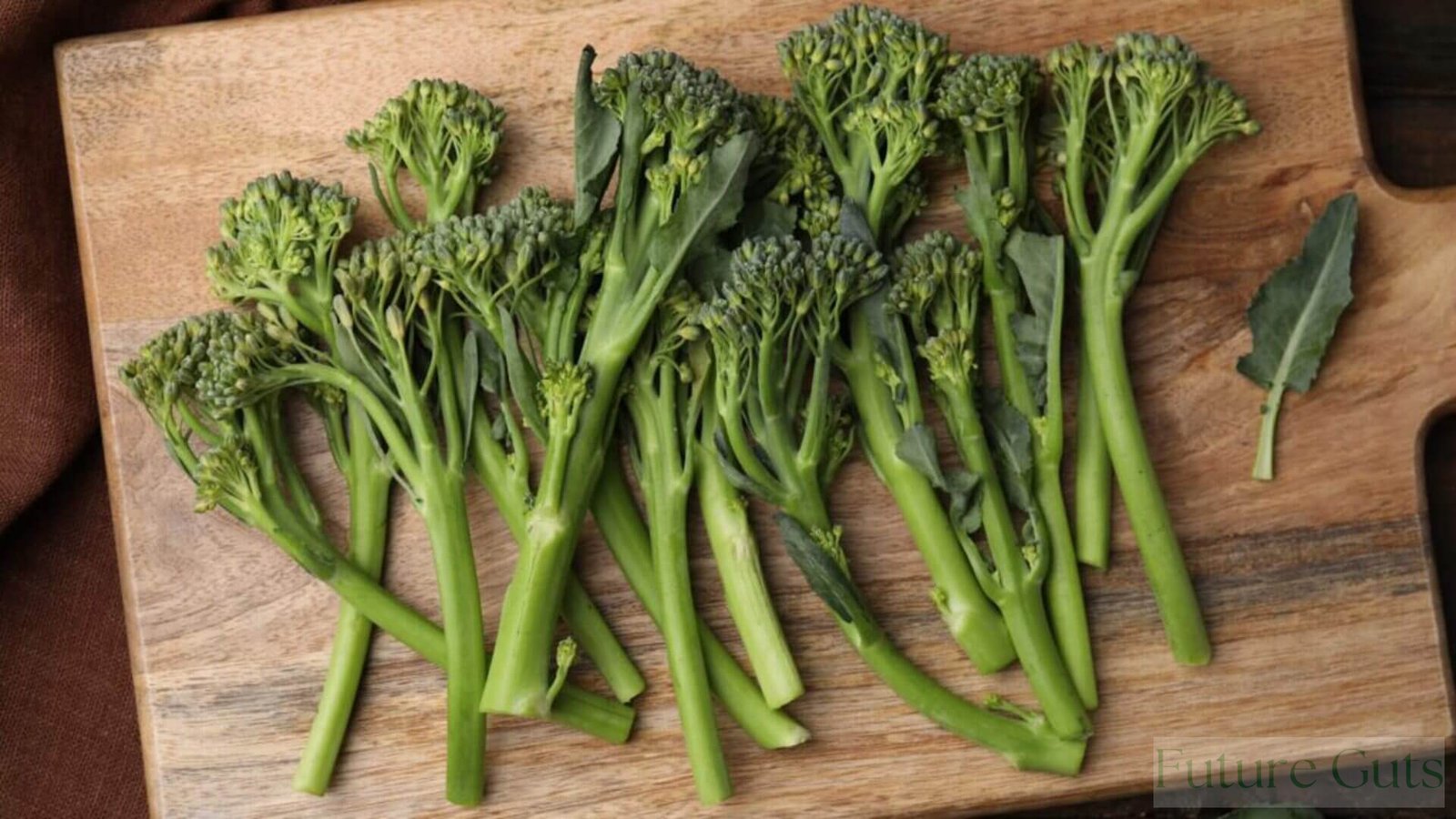
Unlike standard broccoli, which typically has thicker stalks and larger crowns, broccolini features slender stems and smaller buds that cook more quickly and evenly. This unique structure makes it particularly attractive for modern recipes that emphasize texture and presentation, especially in contemporary cuisine where lighter vegetable dishes are increasingly preferred.
Nutritional Value and Health Benefits
One of the primary reasons Crocolini has become popular is its strong nutritional profile. Like many green vegetables in the cabbage family, it contains important vitamins, minerals, and antioxidants that support overall health. It is a notable source of vitamin C, vitamin A, and dietary fiber, all of which play roles in maintaining immune health, supporting digestion, and promoting healthy skin and vision.
The vegetable also contains plant compounds such as glucosinolates, which are commonly found in cruciferous vegetables and are studied for their potential role in supporting the body’s natural defense systems. Because Crocolini is low in calories but high in nutrients, it fits well into balanced diets that prioritize nutrient density and whole foods.
Flavor Profile and Culinary Appeal
Crocolini’s flavor is often described as milder and slightly sweeter than traditional broccoli. The stems are tender and less fibrous, which means they require little preparation before cooking. This pleasant flavor and texture make the vegetable suitable for a wide variety of culinary styles.
In many modern kitchens, Crocolini is appreciated for its visual appeal as well as its taste. The long stems and small florets create an elegant presentation when plated, making it popular in restaurants that emphasize refined vegetable dishes. Its subtle sweetness also pairs well with ingredients such as garlic, olive oil, citrus, and light sauces.
Common Cooking Methods
Crocolini is valued for its versatility in cooking. Because both the stems and florets are tender, the vegetable cooks quickly and can be prepared in several ways without losing its texture or flavor. Light sautéing is one of the most common methods, often with garlic and olive oil, which highlights the vegetable’s natural sweetness.
Steaming is another popular preparation technique, preserving the vegetable’s bright green color and nutritional value. Some cooks prefer roasting Crocolini in the oven, which adds a slightly caramelized flavor while maintaining its tender structure. In Asian-inspired dishes, it may also be stir-fried with sauces or added to noodle and rice recipes.
Crocolini in Modern Diets and Food Trends
As dietary habits shift toward healthier and more plant-focused meals, vegetables like Crocolini have become increasingly important in everyday cooking. Many nutritionists encourage the inclusion of cruciferous vegetables in regular diets due to their nutritional density and potential health benefits.
Crocolini fits well into a variety of dietary patterns, including Mediterranean-style diets, plant-based eating, and balanced wellness-focused meal plans. Its mild taste allows it to complement a wide range of foods, from seafood and poultry to vegetarian and vegan dishes.
Growing and Availability
Crocolini is typically grown in climates suitable for other brassica vegetables, thriving in cooler temperatures and nutrient-rich soil. Farmers cultivate it using techniques similar to those used for broccoli and other cruciferous crops. Over time, increased consumer demand has made it more widely available in supermarkets, farmers’ markets, and specialty grocery stores.
Because of its popularity, Crocolini is now commonly found year-round in many regions, though availability may vary depending on local agricultural cycles and distribution networks.
Conclusion
Crocolini represents the evolution of modern vegetables designed to meet contemporary tastes and nutritional expectations. With its tender stems, mild sweetness, and impressive nutritional value, it offers both culinary versatility and health benefits. As interest in fresh, nutrient-rich foods continues to grow, Crocolini stands out as a vegetable that blends agricultural innovation with everyday practicality, making it a valuable addition to modern kitchens and balanced diets.

Other Articles

Step-by-Step Guide to Hosting Spring Walters Event
Giniä Explained: Meaning and Importance in 2026