


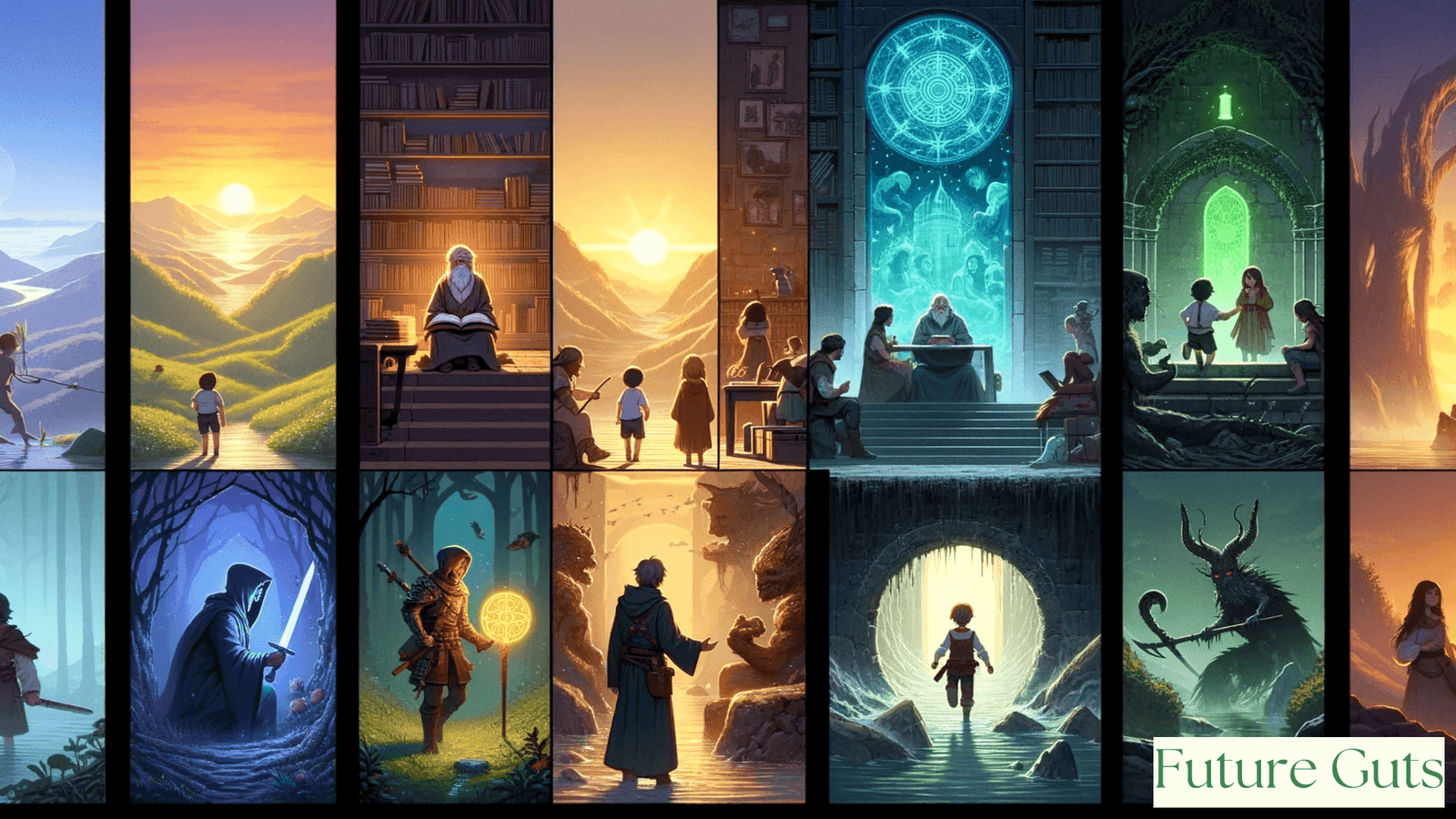

Character archetypes are foundational storytelling patterns that appear across cultures, genres, and historical periods. From ancient mythology to modern novels and films, archetypes help writers create characters that feel familiar yet powerful. Rooted in literary tradition and psychological theory, especially the work of Carl Jung, archetypes represent universal models of human behavior that resonate deeply with readers. Understanding these character archetypes allows writers to build stronger narratives, develop meaningful character arcs, and craft emotionally engaging stories.
The Hero Archetype
The Hero is the central figure who embarks on a journey, faces challenges, and ultimately transforms. This archetype often begins as an ordinary individual who is called to confront extraordinary circumstances. The Hero’s journey typically involves internal growth alongside external conflict, making their transformation just as important as their victory. Writers use this archetype to explore courage, sacrifice, and resilience, allowing readers to connect with the character’s struggles and triumphs.
The Mentor Archetype
The Mentor guides the Hero by offering wisdom, training, or critical insight. This archetype represents experience and knowledge, often serving as a moral or intellectual compass. While the Mentor may not remain present throughout the entire story, their influence shapes the Hero’s development. Writers often use this archetype to introduce key themes and provide emotional grounding within the narrative.
The Shadow Archetype
The Shadow represents the darker force opposing the Hero. Often portrayed as the antagonist, this archetype embodies fear, ambition, corruption, or unresolved internal conflict. The Shadow is not merely a villain but a symbolic counterbalance to the Hero, reflecting what the protagonist could become under different circumstances. Strong Shadows challenge the Hero both physically and psychologically, deepening the narrative tension.
The Trickster Archetype
The Trickster disrupts order and challenges established norms. This character often brings humor, unpredictability, and chaos into the story. While the Trickster may appear mischievous or unreliable, they frequently reveal hidden truths or expose hypocrisy. Writers use this archetype to break tension, create dynamic dialogue, and question authority within the narrative.
The Caregiver Archetype
The Caregiver prioritizes compassion and protection. This character often supports others emotionally or physically, acting as a stabilizing force within the story. Whether portrayed as a parental figure, loyal friend, or selfless ally, the Caregiver highlights themes of empathy and sacrifice. Writers rely on this archetype to add emotional warmth and balance to intense or conflict-driven plots.
The Rebel Archetype
The Rebel challenges systems, authority, or societal expectations. Driven by a desire for change, this archetype thrives on disruption and transformation. Rebels often resist tradition and question rules, making them powerful catalysts for plot progression. Writers use this archetype to explore themes of freedom, justice, and personal autonomy.
The Lover Archetype
The Lover is defined by passion, devotion, and emotional depth. This archetype may focus on romantic love, but it can also represent loyalty to ideals, people, or causes. The Lover’s strength lies in emotional vulnerability and the willingness to commit wholeheartedly. Writers use this archetype to intensify emotional stakes and humanize larger conflicts.
The Sage Archetype
The Sage seeks truth and knowledge. Often analytical and reflective, this archetype values understanding above all else. The Sage may serve as a teacher, advisor, or observer who interprets events with clarity. Writers use the Sage to provide intellectual depth and to explore philosophical themes within the story.
The Innocent Archetype
The Innocent symbolizes purity, optimism, and hope. This archetype often believes in the goodness of the world and strives to maintain moral integrity. While sometimes naive, the Innocent’s faith can inspire others and highlight the contrast between corruption and virtue. Writers use this archetype to evoke emotional resonance and reinforce thematic contrasts.
The Ruler Archetype
The Ruler seeks control, structure, and order. This archetype often holds positions of authority and believes in leadership through organization and stability. While the Ruler can provide strength and direction, they may also struggle with rigidity or fear of losing power. Writers use this archetype to explore responsibility, governance, and the complexities of authority.
Why Character Archetypes Matter in Writing
Understanding these ten character archetypes helps writers construct narratives that feel cohesive and emotionally compelling. Archetypes provide a framework, but they are not limitations. Skilled writers often blend or subvert archetypes to create unique characters while maintaining recognizable foundations. By thoughtfully developing archetypal traits and layering them with individual backstories, motivations, and flaws, writers can craft multidimensional characters that resonate with modern audiences.
Conclusion
Character archetypes remain a powerful storytelling tool because they reflect universal human experiences. From the courageous Hero to the questioning Rebel and the wise Sage, these models provide structure without restricting creativity. Writers who understand archetypes gain the ability to shape richer character arcs, deepen thematic impact, and build narratives that connect across cultures and generations. Mastering these ten archetypes is not about following formulas but about using timeless patterns to tell stories that feel both familiar and original.


How to Convert Spotify to MP3: Easy Guide
The Complete Guide to the Friends Glossary