




What Burning Sage Means and Why People Do It
Burning sage leaves, often called smoke cleansing or smudging, is a mindful ritual practiced to symbolically clear stagnant energy, reset a space, or support emotional calm. For beginners, it’s helpful to understand that the practice is less about the smoke itself and more about intention and awareness. Many people use sage to mark a fresh start, prepare for meditation, or bring a sense of clarity and peace into their surroundings.
Choosing the Right Sage for Beginners
For first-time practitioners, using dried sage leaves or a small sage bundle is ideal. White sage is commonly used, but garden sage can also work if it is fully dried. The most important factor is that the sage burns slowly and produces gentle smoke rather than an open flame. Beginners should also prioritize ethically sourced sage and avoid large bundles, as smaller amounts are easier to control and safer to handle.
Preparing Your Space Before You Begin
Before lighting sage, preparation is essential for both safety and effectiveness. Open a window or door to allow smoke to circulate and exit the space, which also helps prevent irritation. Remove flammable objects from the area and keep a heat-resistant bowl, shell, or ceramic dish nearby to catch falling ash. Taking a moment to set a simple intention—such as inviting calm or releasing stress—helps ground the ritual and keeps it focused.
How to Light Sage Leaves Safely
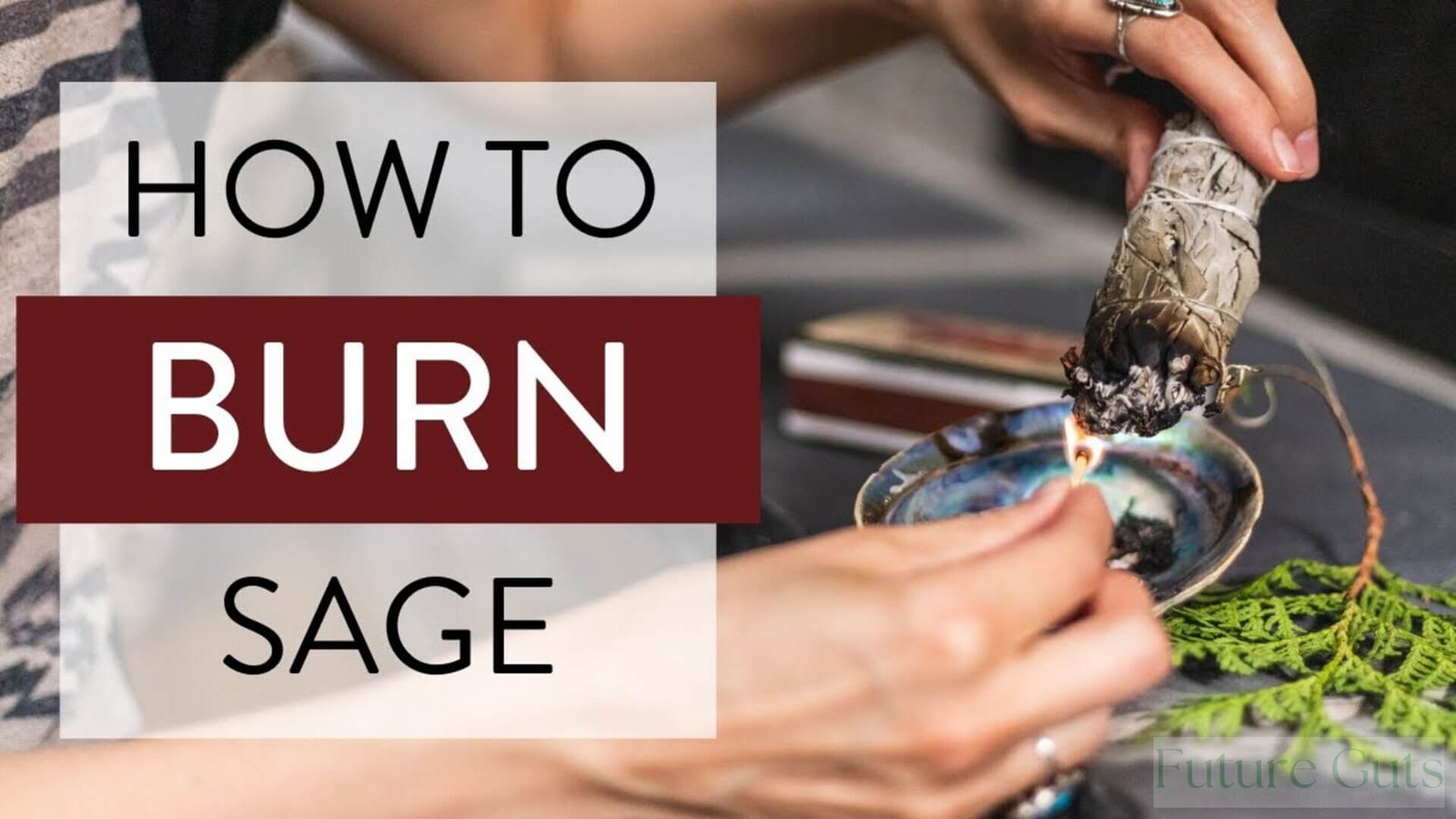
To burn sage leaves, light the tip using a match or candle until it briefly catches fire, then gently blow out the flame so the leaves smolder. Beginners should aim for steady smoke rather than a strong flame. Hold the sage over your fireproof bowl at all times and never leave it unattended. If the sage stops smoking, you can gently relight it, but avoid constant relighting, which can make the process feel rushed or overwhelming.
How to Use Sage Smoke in a Calm and Simple Way
When using sage smoke, move slowly and intentionally. Beginners can start by gently guiding the smoke around the room, especially near corners, doorways, and areas that feel heavy or cluttered. There is no need for complex movements or rituals. Focus on steady breathing and a calm mindset, allowing the process to feel natural rather than forced. The effectiveness of the practice comes from presence, not perfection.
Cleansing Yourself or Personal Items
Beginners may also use sage smoke to cleanse personal energy or small objects. To do this, gently waft the smoke around your body or pass items briefly through it while maintaining your intention. There is no need for prolonged exposure to smoke. Light, brief movements are enough to support a sense of renewal without discomfort.
How to Extinguish Sage Properly
Ending the ritual safely is just as important as beginning it. To extinguish sage, gently press the smoldering end into your fireproof bowl until the smoke stops completely. Never use water unless necessary, as it can damage the sage and create excess smoke. Once finished, allow fresh air to circulate and take a moment to reflect or express gratitude, helping the experience feel complete and grounded.
Common Beginner Mistakes to Avoid
Beginners often use too much sage, expect immediate dramatic results, or rush through the process. Burning sage does not need to be frequent or intense to be meaningful. Overuse can create discomfort and reduce the sense of intention behind the practice. Keeping sessions short, calm, and respectful helps maintain balance and makes the ritual more approachable over time.
Conclusion
Learning how to burn sage leaves as a beginner is about simplicity, safety, and intention. By choosing the right sage, preparing your space, burning it gently, and staying mindful throughout the process, you can create a calming and meaningful experience. Sage burning is not about doing it perfectly, but about creating a moment of awareness, reflection, and renewal that supports emotional balance and clarity.

Other Articles

How to Plan a Bjudlunch: A Step-by-Step Guide
Mastering Baxter Neal Helson: A Step-by-Step Guide