




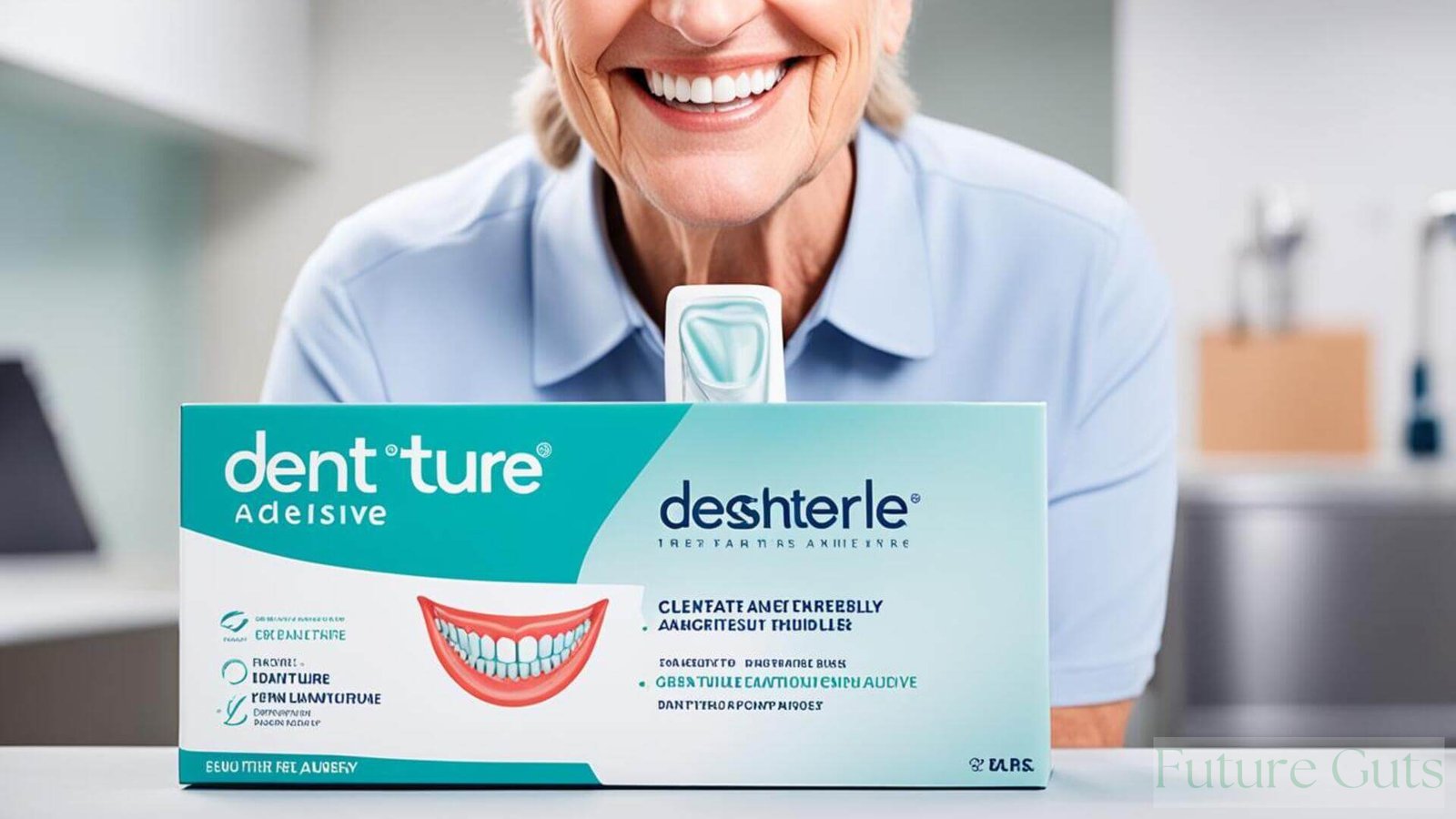

Choosing the right denture adhesive can significantly improve comfort, confidence, and oral function for denture wearers. Denture adhesives are designed to enhance the fit and stability of dentures, helping reduce movement during speaking and eating. However, the best option depends on individual needs such as denture type, lifestyle, sensitivity, and personal comfort preferences. Understanding how these products work and what factors matter most can help you make an informed and practical decision.
Understanding What Denture Adhesives Do
Denture adhesives work by creating a thin layer between the denture and the gums, improving grip and minimizing gaps where food particles can enter. They are not meant to fix poorly fitting dentures permanently, but rather to provide added stability and comfort during daily use. For many wearers, adhesives help reduce irritation caused by friction and offer reassurance in social and professional settings.
Choosing the Right Adhesive Form
Denture adhesives are available in several forms, most commonly creams, powders, and adhesive strips. Cream adhesives are widely used because they offer strong hold and cushioning, making them suitable for people who want all-day security. Powders provide a lighter hold and are often preferred by users who want easy cleanup and a thinner application. Adhesive strips are pre-measured and convenient, offering controlled placement and less mess, which can be helpful for users with limited hand mobility.
Considering Denture Type and Fit
The type of denture you wear plays a key role in choosing the best adhesive. Full dentures often benefit from adhesives that provide strong, even coverage to improve overall stability. Partial dentures may require lighter adhesives that do not interfere with remaining natural teeth. If dentures already fit well, a minimal-hold adhesive may be sufficient, while looser dentures may require stronger formulations for daily comfort.
Sensitivity and Ingredient Awareness
Some denture wearers experience gum sensitivity or irritation, making ingredient selection especially important. Adhesives labeled as zinc-free are often recommended for long-term daily use, as excessive zinc intake can cause health concerns if used improperly over time. For individuals with sensitive gums, adhesives designed with soothing or hypoallergenic formulations can help reduce discomfort while maintaining adequate hold.
Lifestyle and Daily Habits
Your daily routine should also influence your choice of denture adhesive. People who speak frequently, eat a wide variety of foods, or have long days away from home may prefer long-lasting adhesives that maintain grip throughout the day. Those who remove dentures multiple times daily may benefit from adhesives that are easier to clean and reapply. Personal comfort and convenience should always be part of the decision-making process.
When to Consult a Dental Professional
If you frequently rely on large amounts of adhesive or experience persistent discomfort, it may indicate that your dentures need adjustment or replacement. A dentist or prosthodontist can evaluate fit, recommend appropriate products, and ensure that adhesive use supports, rather than masks, underlying oral health issues. Professional guidance is especially important for new denture wearers or those experiencing changes in gum structure.
Making the Best Choice for Long-Term Comfort
Ultimately, the best denture adhesive is one that fits seamlessly into your lifestyle while enhancing comfort and confidence. By considering denture type, sensitivity, daily habits, and professional advice, you can select an adhesive that provides reliable support without unnecessary complications. A thoughtful choice not only improves daily comfort but also contributes to better oral health and overall quality of life.
Frequently Asked Questions About Denture Adhesives
Do I really need a denture adhesive if my dentures fit properly?
Even if dentures fit well, many people still choose to use a denture adhesive for added comfort and confidence. Adhesives can help reduce minor movement during speaking or eating, prevent food particles from getting trapped under the dentures, and provide a cushioning effect that reduces gum irritation. However, a properly fitted denture should not require excessive adhesive, and relying heavily on it may indicate that adjustments are needed.
Is it safe to use denture adhesive every day?
Yes, denture adhesives are generally safe for daily use when applied according to the manufacturer’s instructions. Most modern products are formulated for regular wear, but it is important to use only the recommended amount and remove dentures daily for proper cleaning. Choosing zinc-free adhesives is often advised for long-term use, as excessive zinc exposure over time may lead to health concerns if products are overused.
How long does denture adhesive usually last?
The effectiveness of a denture adhesive can vary depending on the product type, eating habits, and individual saliva levels. Many cream adhesives are designed to provide hold for up to a full day, while powders and strips may offer shorter-lasting support. Drinking hot liquids, eating sticky foods, or frequent denture removal can reduce how long the adhesive remains effective.
Can denture adhesive help with loose dentures?
Denture adhesive can help improve stability for slightly loose dentures, but it is not a permanent solution for poor fit. Over time, changes in gum shape and bone structure can cause dentures to loosen, and no adhesive can fully compensate for this. If dentures feel consistently unstable, a dental professional should evaluate them for relining, adjustment, or replacement.

Other Articles

How to Install Markiseteppe: A Step-by-Step Guide
How to Use Onnilaina Effectively: A Practical Guide