





Understanding Adenoidid and Its Causes
Adenoidid is a condition associated with inflammation or infection of the adenoids, small masses of lymphatic tissue located at the back of the nasal cavity. The adenoids are part of the immune system and play an important role during childhood by helping the body trap bacteria and viruses that enter through the nose or mouth. However, when the adenoids become swollen or infected, the condition referred to as adenoidid can develop, leading to breathing difficulties, nasal congestion, and other related symptoms. Adenoidid most commonly affects children because the adenoids are larger and more active in early life, although adults can occasionally experience similar issues if the tissue remains enlarged.
Common Symptoms of Adenoidid
The symptoms of adenoidid often appear gradually and may resemble other respiratory conditions at first. One of the most noticeable signs is persistent nasal blockage, which forces individuals to breathe through the mouth instead of the nose. This can lead to dryness in the mouth, disturbed sleep, and even snoring during the night. People experiencing adenoidid may also develop frequent ear infections, sinus pressure, and a nasal-sounding voice. In children, the condition can sometimes affect sleep quality and concentration due to interrupted breathing patterns during rest.
How Adenoidid Is Diagnosed
Doctors typically diagnose adenoidid through a physical examination and a review of symptoms. A healthcare professional may inspect the nasal passages and throat to determine whether the adenoids appear swollen or infected. In some cases, imaging tests or small cameras used in ear, nose, and throat examinations can provide a clearer view of the adenoids and surrounding structures. Accurate diagnosis is important because the symptoms of adenoidid can overlap with conditions such as allergies, sinus infections, or tonsil inflammation.
Relief Tips for Managing Adenoidid
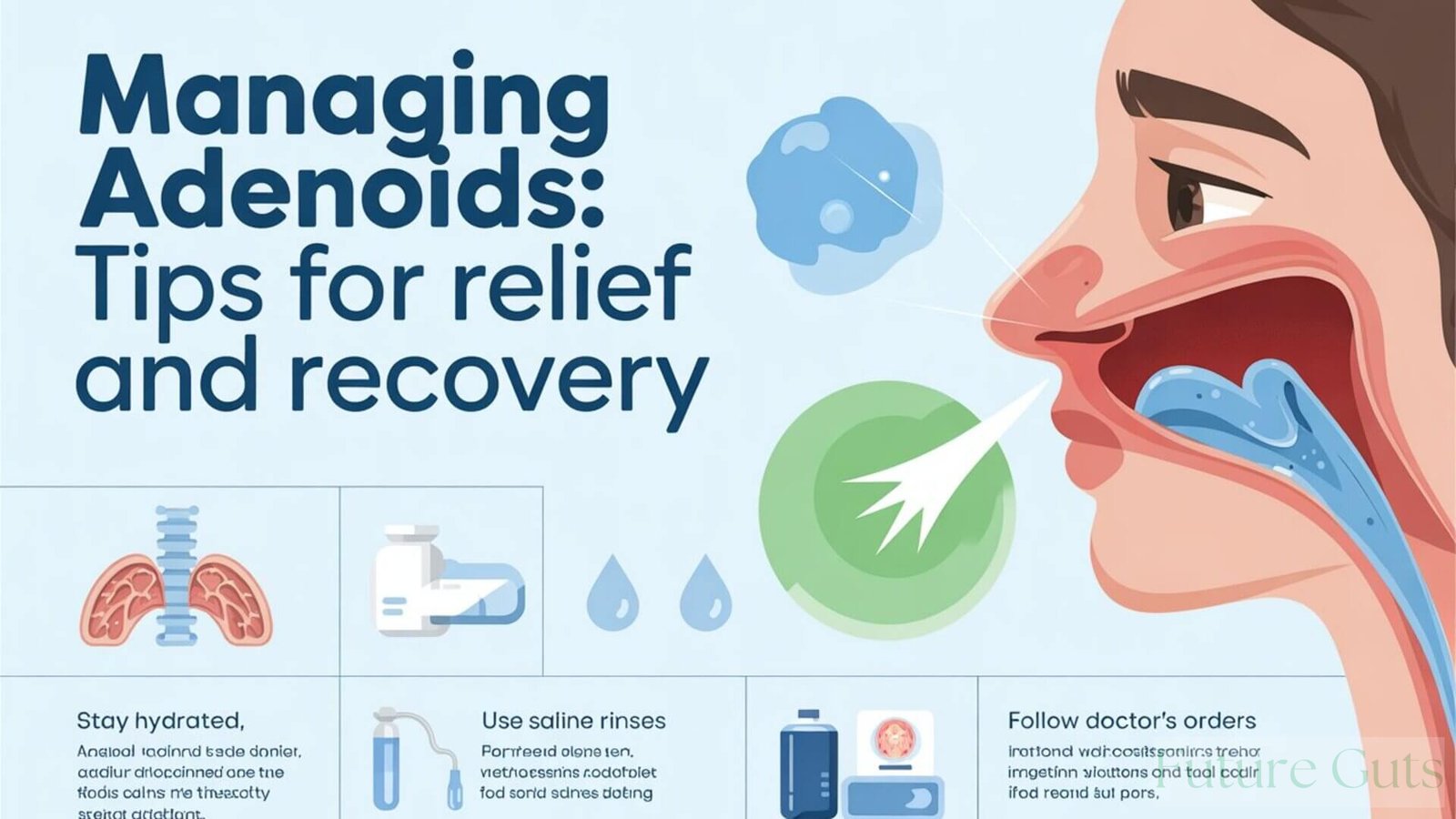
Managing adenoidid often begins with reducing inflammation and relieving symptoms. Rest, hydration, and maintaining good nasal hygiene can help the body recover more effectively from infection. Warm fluids, steam inhalation, and saline nasal rinses may help reduce congestion and improve airflow through the nasal passages. Doctors may also recommend medications such as antibiotics if a bacterial infection is present or anti-inflammatory treatments to reduce swelling. These relief strategies are typically aimed at easing discomfort while allowing the immune system to resolve the underlying infection.
Medical Treatments for Adenoidid
When symptoms of adenoidid persist or repeatedly return, medical treatment may be necessary. Doctors may prescribe medications that reduce swelling in the nasal passages or treat underlying infections. In some cases where enlarged adenoids significantly interfere with breathing, sleep, or ear health, a surgical procedure called adenoidectomy may be recommended. This procedure involves removing the adenoids and is commonly performed when chronic infections or breathing problems cannot be controlled with medication alone.
Recovery and Long-Term Management of Adenoidid
Recovery from adenoidid depends on the severity of the inflammation and the treatment approach used. Mild cases may improve within a few days with proper care and medication, while more persistent infections may require longer treatment periods. Maintaining a healthy environment, managing allergies, and addressing respiratory infections early can help reduce the likelihood of recurring adenoidid. For children who undergo adenoid removal, recovery is usually quick, and many experience significant improvement in breathing and sleep quality.
Conclusion
Managing adenoidid involves understanding its symptoms, identifying the underlying cause, and choosing appropriate treatment options to relieve discomfort and restore normal breathing. Because the condition often affects children and can influence sleep, ear health, and overall well-being, early diagnosis and proper care are essential. With the right combination of medical guidance, symptom relief strategies, and preventive measures, most individuals experiencing adenoidid can recover successfully and maintain healthier respiratory function.

Other Articles

Charlotte Harmon Eggar: Life, Story, and Legacy
Aleksandra Plus Clothing: Styling Tips for Every Occasion