




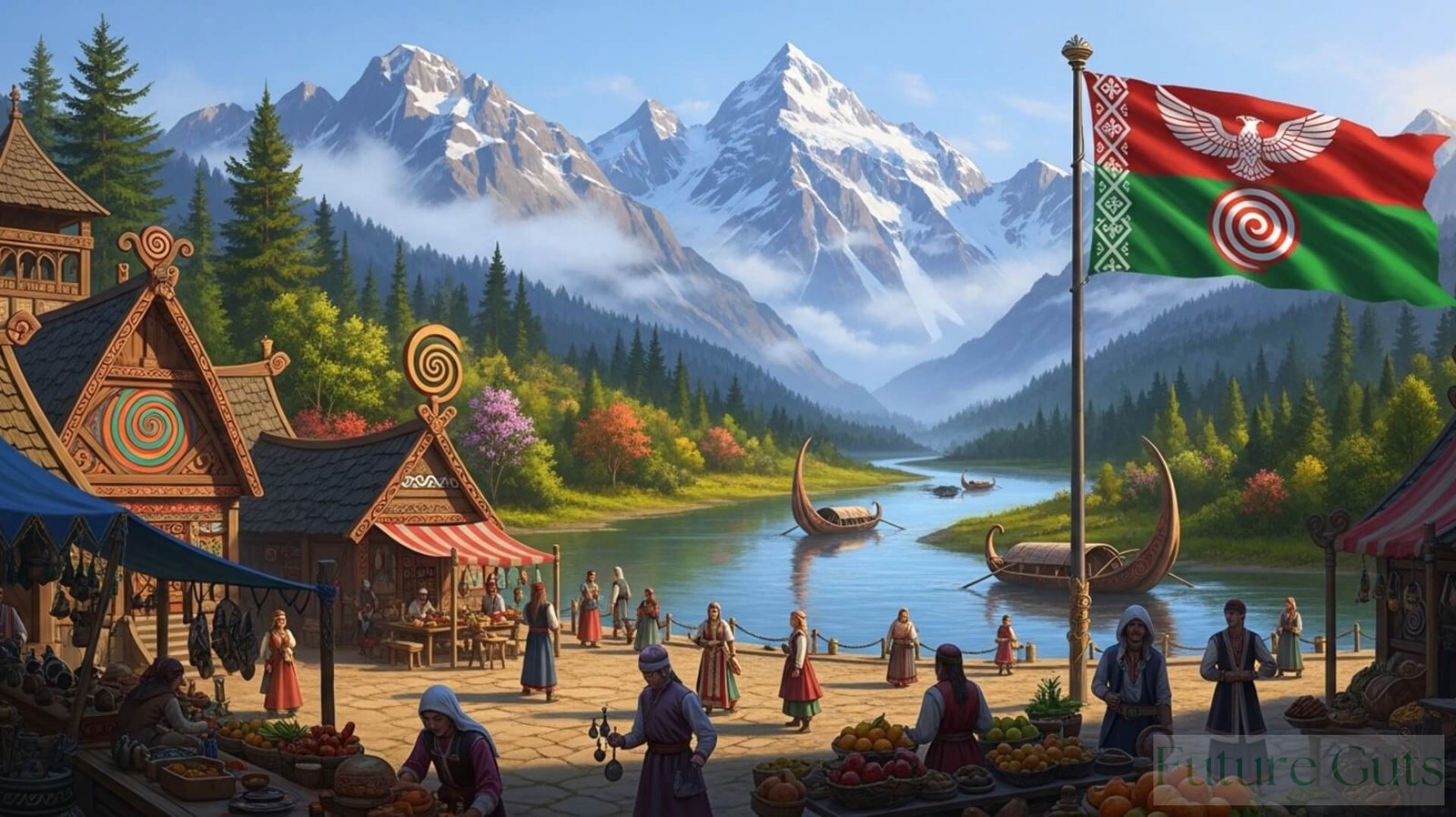

Turaska represents a destination often described through the dual lens of cultural richness and scenic landscapes. Whether understood as a historical locality, a regional settlement, or a cultural community, Turaska symbolizes the deep connection between heritage and environment. Its identity is shaped not only by geography but also by the traditions, customs, and values preserved by its people across generations.
The Historical Roots of Turaska
The cultural identity of Turaska is closely tied to its historical foundations. Like many regions with strong local traditions, its past reflects layers of migration, settlement, and adaptation. Over time, communities developed distinctive customs that reflected both survival needs and spiritual beliefs. Oral storytelling, seasonal festivals, and community rituals often serve as living reminders of this heritage. These practices strengthen intergenerational bonds and ensure that cultural memory remains active rather than fading into obscurity.
Historical architecture, where preserved, can further illustrate the region’s journey. Traditional construction styles, materials sourced from local surroundings, and settlement layouts often reflect how closely people lived with nature. Such elements provide insight into how cultural identity evolved in response to environmental conditions.
Traditions, Language, and Community Values
Cultural identity in Turaska is also expressed through language, attire, music, and craftwork. Local dialects or linguistic variations play a powerful role in maintaining a sense of belonging. Traditional clothing and handcrafted items often carry symbolic meaning, reflecting social roles, community pride, or ceremonial importance.
Community-centered values frequently shape daily life, emphasizing hospitality, mutual support, and respect for elders. Celebrations and gatherings act as spaces where music, dance, and cuisine come together, reinforcing a shared cultural narrative. These collective expressions strengthen unity and maintain continuity in a rapidly modernizing world.
The Natural Landscapes That Define Turaska
Beyond culture, Turaska’s natural beauty is central to its identity. The region is often characterized by diverse landscapes that may include rolling hills, mountainous terrain, forests, or rivers depending on its geographic location. Natural features not only contribute to scenic appeal but also influence local livelihoods, agriculture, and settlement patterns.
The surrounding environment often shapes cultural expression as well. Seasonal cycles guide agricultural traditions, while natural landmarks can hold spiritual or symbolic meaning. The relationship between land and people becomes a defining feature of Turaska’s uniqueness, demonstrating how environmental preservation and cultural continuity are interconnected.
Sustainability and Preservation Efforts
As modernization reaches even remote areas, preserving both cultural traditions and natural landscapes becomes increasingly important. Sustainable development efforts typically aim to balance tourism, economic growth, and environmental protection. Protecting traditional knowledge systems, crafts, and rituals ensures that cultural identity remains intact despite global influences.
Environmental conservation also plays a vital role. Responsible tourism, ecological awareness, and community-led initiatives help maintain biodiversity and scenic integrity. In regions like Turaska, cultural pride often aligns with environmental stewardship, reinforcing the idea that preserving nature also protects heritage.
Tourism and Cultural Exchange
Turaska’s combination of heritage and natural beauty makes it appealing for cultural and eco-tourism. Visitors are often drawn to authentic experiences that allow them to engage with local traditions while exploring scenic landscapes. However, thoughtful tourism management is essential to prevent over-commercialization or environmental degradation.
When handled responsibly, tourism can support local economies while encouraging cultural exchange. Visitors gain insight into traditional ways of life, and communities benefit from broader recognition and economic opportunity.
Conclusion
Turaska stands as a powerful example of how cultural identity and natural beauty can coexist in meaningful harmony. Its traditions, values, and landscapes together create a sense of place that goes beyond physical geography. Preserving this balance requires conscious effort, community engagement, and respect for both heritage and environment. As global change continues to reshape societies, regions like Turaska remind us that cultural richness and natural preservation are not separate goals but interconnected pillars of lasting identity.

Other Articles

Oronsuuts Explained: Meaning, Features & Uses
Josh Winterhalt Net Worth and Career Facts