




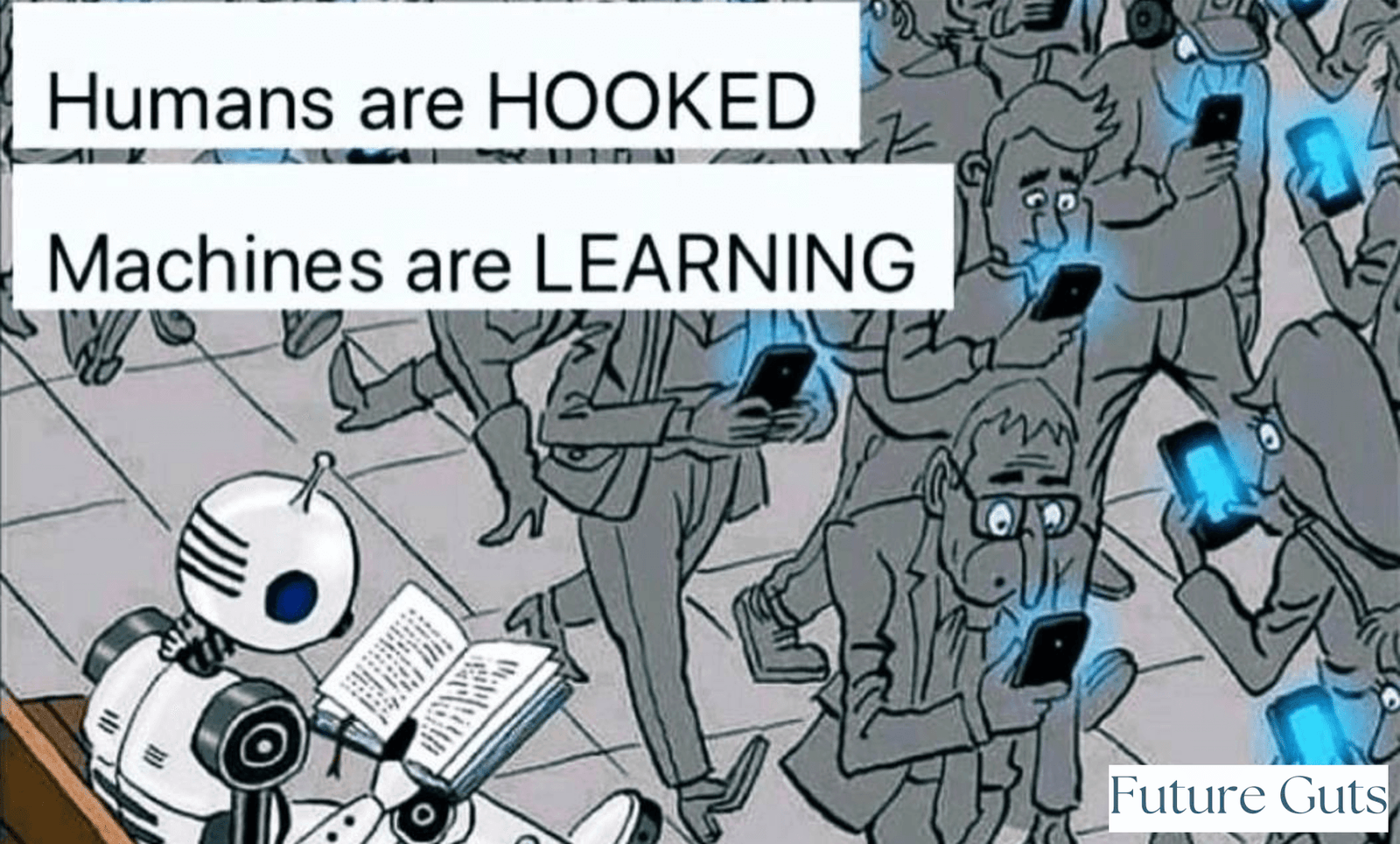

The modern world is experiencing a profound transformation driven by artificial intelligence, behavioral data, and digital connectivity. While humans spend increasing hours connected to screens, algorithms are simultaneously becoming more intelligent, adaptive, and autonomous. This shift represents more than technological progress; it signals a fundamental change in how society functions, communicates, and makes decisions. The intersection between human attention and machine learning is redefining industries, personal habits, and even the structure of global economies.
The Rise of Artificial Intelligence in Everyday Life
Artificial intelligence is no longer confined to research labs or futuristic speculation. Technologies powered by AI now influence daily routines, from voice assistants and recommendation engines to automated customer support and predictive search results. Systems developed by companies such as OpenAI and Google have accelerated innovation in natural language processing and data-driven decision-making. AI tools analyze patterns at a scale impossible for humans, allowing them to generate content, predict user behavior, and optimize digital experiences in real time.
Machine learning, a subset of AI, enables systems to improve automatically through exposure to data. The more users interact with digital platforms, the more information algorithms collect. This feedback loop enhances accuracy and personalization, but it also deepens society’s dependence on algorithmic systems.
The Attention Economy and Human Behavior
At the same time that machines are learning, humans are becoming increasingly immersed in digital ecosystems. Social media platforms, streaming services, and mobile applications are designed to capture and retain attention. This phenomenon is often described as the “attention economy,” where user engagement becomes the most valuable currency. Platforms refine content recommendations based on user behavior, reinforcing habits and preferences through continuous interaction.
The psychological impact of constant connectivity is significant. Notifications, infinite scrolling, and algorithmically curated feeds are engineered to maximize engagement. While this model fuels economic growth in the tech sector, it also raises concerns about digital addiction, reduced focus, and the long-term effects of screen dependency.
Data as the Fuel Behind Machine Intelligence
The AI shift is powered by data. Every click, search, purchase, and interaction contributes to vast datasets that train algorithms. Companies leverage this information to improve products, target advertising, and automate processes. The scale of data collection has expanded dramatically over the past decade, enabling AI systems to perform increasingly complex tasks such as language translation, image recognition, and predictive analytics.
However, the reliance on data also introduces critical discussions about privacy and security. As machines become more capable of interpreting human behavior, the ethical management of personal information becomes central to maintaining public trust. Regulatory frameworks continue to evolve to address these challenges, balancing innovation with user protection.
Automation, Work, and Economic Transformation
The AI shift is reshaping labor markets across industries. Automation powered by intelligent systems is transforming sectors such as manufacturing, finance, healthcare, and transportation. Routine and repetitive tasks are increasingly handled by machines, improving efficiency and reducing operational costs. At the same time, new roles are emerging in AI development, data science, cybersecurity, and digital ethics.
This transition presents both opportunity and disruption. While automation can enhance productivity, it also demands workforce adaptation. Reskilling and digital literacy have become essential priorities for governments and educational institutions seeking to prepare populations for an AI-integrated economy.
Ethical Challenges and Responsible AI Development
As AI systems gain influence, ethical considerations grow more complex. Bias in algorithms, transparency in decision-making, and accountability for automated outcomes are central concerns. Organizations and researchers are working to establish guidelines that promote fairness, explainability, and responsible deployment of AI technologies.
The development of generative AI and advanced predictive systems has intensified debates about misinformation, intellectual property, and human oversight. Ensuring that machines remain tools that augment human capability rather than replace ethical judgment is one of the defining challenges of the digital era.
Human Adaptation in an AI-Driven World
The phrase “Humans are hooked, machines are learning” captures a dual reality. While algorithms continuously refine themselves through exposure to human behavior, individuals are adapting to environments increasingly shaped by automation and personalization. The relationship between humans and machines is becoming more interactive and interdependent, rather than strictly hierarchical.
Education, policy, and cultural awareness will play critical roles in determining how this shift unfolds. Encouraging mindful technology use, strengthening digital literacy, and fostering ethical AI development can help ensure that technological progress aligns with broader societal values.
Conclusion
The AI shift represents a defining transformation of the 21st century. As humans engage more deeply with digital platforms, machines simultaneously become more intelligent through data-driven learning. This dynamic relationship influences economies, communication, work structures, and personal habits. The challenge moving forward is not merely technological advancement, but responsible integration. Balancing innovation with ethical oversight and human well-being will determine whether the AI-driven future enhances society or deepens existing challenges.

Other Articles

Weird Wealth: Unconventional Income Trends in 2026
How to Convert Spotify to MP3: Easy Guide