




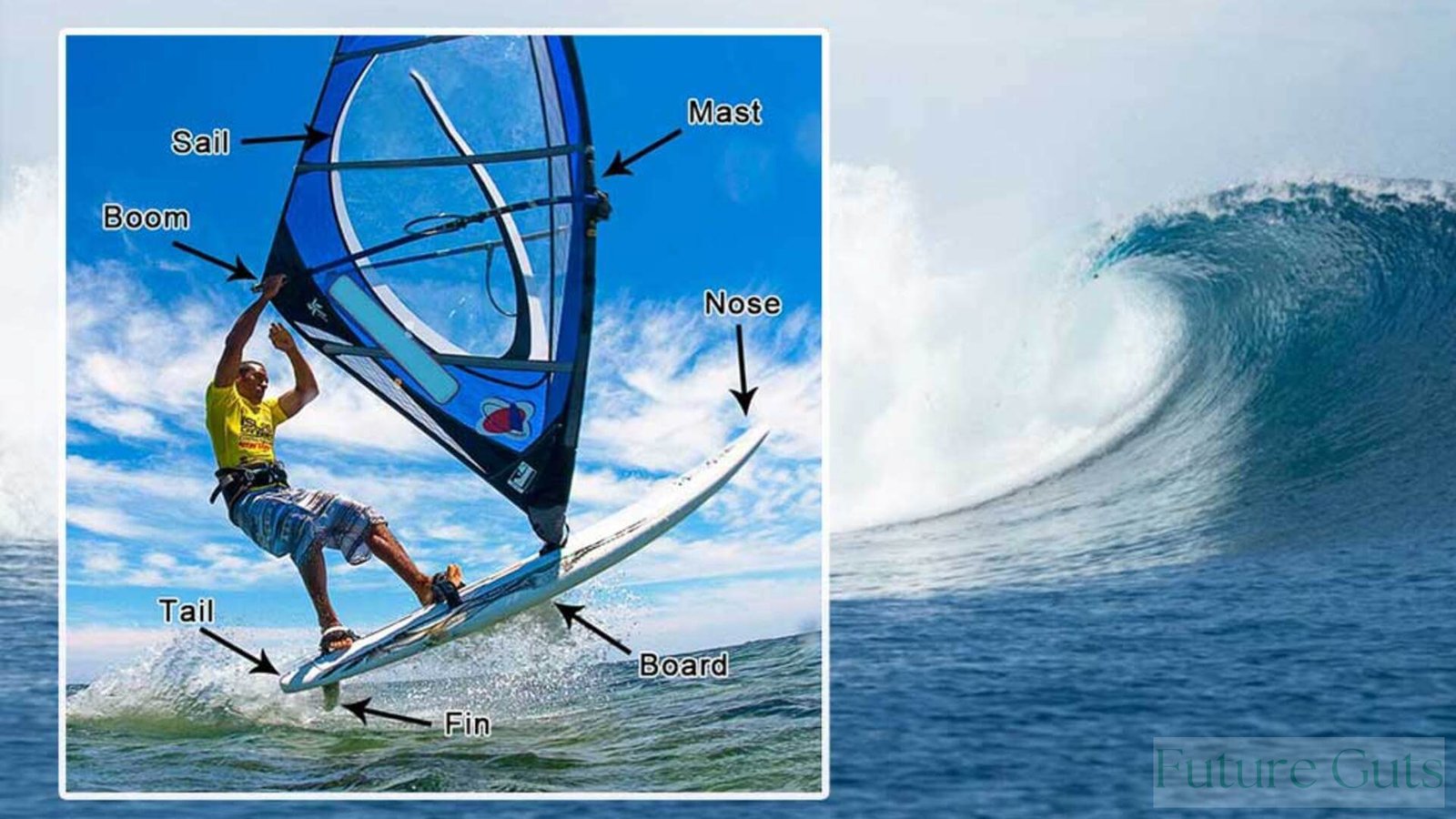

Windsurfing combines elements of surfing and sailing, and proper equipment setup plays a critical role in performance, safety, and control. Whether you are a beginner learning the basics or an intermediate rider refining your technique, understanding how to set up a windsurfer sailboard correctly can significantly improve your experience on the water. Professional-level rigging is not about speed alone; it is about precision, balance, and ensuring that every component works together efficiently.
Understanding the Windsurfer Sailboard Components
Before assembling the equipment, it is essential to understand the main parts of a windsurfer sailboard. A complete setup includes the board, mast, sail, boom, extension, universal joint, and fin. The board provides buoyancy and stability, while the sail captures wind power to generate movement. The mast supports the sail vertically, and the boom allows the rider to control direction and power. Each component must be compatible in size and specification to ensure optimal performance.
Different wind conditions require different sail sizes and board volumes. Larger sails generate more power in light wind, while smaller sails offer better control in strong wind. Matching the right sail size to both your skill level and wind strength is a key part of professional setup.
Choosing the Right Location for Setup
Setting up your windsurfer sailboard on a flat, clean surface such as sand or grass helps prevent damage to the sail and board. Avoid rocky areas that could tear the sail material or scratch the board’s surface. Position the board facing into the wind, which makes the rigging process smoother and prevents the sail from catching sudden gusts during assembly.
Wind direction plays an important role even before entering the water. Understanding onshore, offshore, and side-shore winds helps determine how you position your equipment and plan your launch strategy.
Assembling the Mast and Sail Correctly
The first technical step is inserting the mast into the sail sleeve carefully. Ensure the mast sections are properly connected before sliding it into place. Once inserted, attach the mast base or extension and begin downhauling the sail. Downhauling tightens the sail vertically and creates the correct sail shape, which directly affects performance.
A professional setup involves applying the correct downhaul tension based on the sail manufacturer’s recommendations. Too little tension makes the sail unstable, while too much reduces power unnecessarily. When properly downhauled, the sail should show controlled looseness near the top, allowing it to release excess wind in strong gusts.
Attaching and Adjusting the Boom
After securing the mast, attach the boom at the recommended height, typically around shoulder level for most riders. The boom must clamp tightly around the mast to prevent slipping during sailing. Once attached, connect the outhaul line from the boom to the sail’s clew and apply appropriate tension.
Outhaul tension controls the sail’s horizontal shape. A tighter outhaul flattens the sail for stronger wind conditions, while a slightly looser setting provides more power in lighter wind. Professional windsurfers adjust outhaul settings carefully depending on the day’s wind speed.
Connecting the Rig to the Board
The fully rigged sail is then connected to the board using the universal joint at the mast base. Ensure the connection locks securely into the mast track. A loose or improperly attached base can lead to equipment failure while on the water.
Check the board’s fin to confirm it is properly secured. The fin provides directional stability and prevents sideways drifting. Professionals always double-check fin tightness before launching to avoid performance issues.
Balancing and Final Equipment Checks
Before entering the water, perform a final inspection of all lines, clamps, and connections. Shake the rig gently to ensure stability and confirm that nothing shifts unexpectedly. Proper tension in the downhaul and outhaul lines should create a sail profile suited to current wind conditions.
Balance is essential. When standing on the board, the rig should feel responsive but not overly heavy. A correctly set sailboard will allow smoother water starts, easier tacking, and improved control during gusts.
Common Mistakes to Avoid During Setup
Many beginners under-tighten the downhaul or incorrectly position the boom height, which reduces control and efficiency. Another common mistake is mismatching sail size with wind conditions. Professionals always assess wind strength before choosing their rig components. Ignoring equipment inspection can also lead to unnecessary risks.
Taking a few extra minutes to fine-tune your setup can dramatically improve both safety and performance on the water.
Why Proper Setup Improves Performance
A professionally rigged windsurfer sailboard allows better wind control, smoother turns, and greater stability in varying conditions. Efficient sail shaping reduces fatigue and enhances speed while maintaining safety. Proper setup not only boosts confidence but also extends the lifespan of your equipment by preventing strain and damage.
Conclusion
Setting up a windsurfer sailboard like a pro requires attention to detail, understanding of wind conditions, and correct adjustment of sail tension and boom placement. Each step, from assembling the mast to securing the fin, plays a vital role in overall performance. By mastering these techniques and prioritizing safety checks, you can transform your windsurfing experience from basic to professional-level, gaining better control, improved efficiency, and greater enjoyment on the water.

Other Articles

United Flight UA109 Diversion: What Happened?
Paulette Thompson: Biography, Career & Achievements