




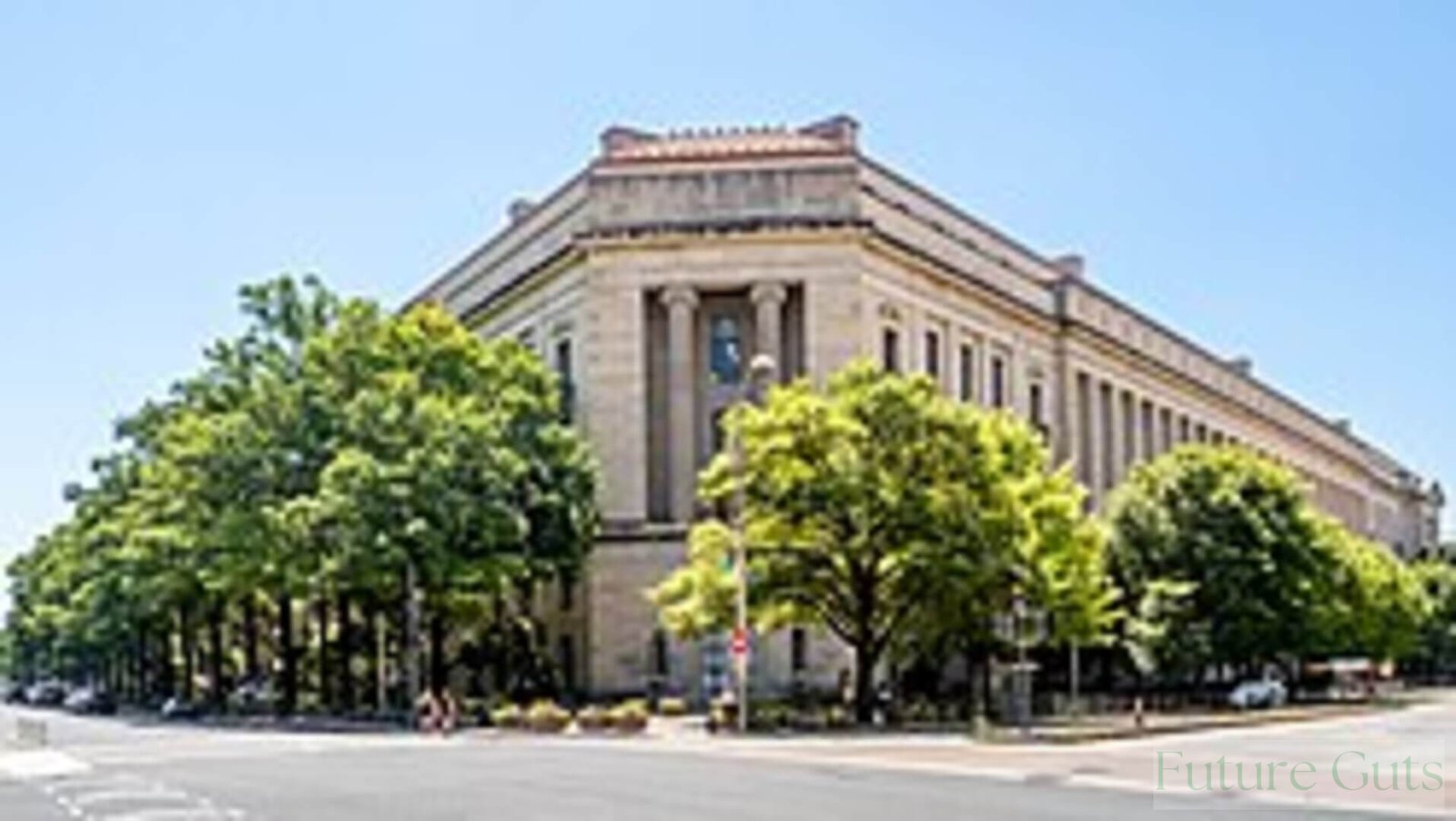

United States Department of Justice plays a central role in shaping the legal, political, and social landscape of the United States. As the primary federal law enforcement authority, the Department of Justice, commonly known as the DOJ, is responsible for enforcing federal laws, ensuring public safety, and upholding the rule of law. Its influence extends beyond courtrooms, affecting civil rights, economic stability, national security, and public trust in democratic institutions.
Role of the Department of Justice in Upholding Federal Law
The core responsibility of the United States Department of Justice is to enforce federal laws fairly and consistently across the nation. Through its oversight of federal prosecutors and law enforcement agencies, the DOJ ensures that violations of federal statutes are investigated and prosecuted in accordance with the Constitution. This role is essential in maintaining legal uniformity across states and preventing selective or politically motivated enforcement, which could undermine democratic governance.
Impact on Civil Rights and Social Justice
One of the most significant areas of DOJ influence is civil rights enforcement. The Department of Justice has historically played a key role in combating discrimination, protecting voting rights, and addressing violations of constitutional freedoms. Through litigation, investigations, and policy guidance, the DOJ works to ensure equal protection under the law. Its actions in civil rights cases often set national legal precedents that shape how equality and justice are interpreted and applied across the country.
Influence on Law Enforcement Accountability
The Department of Justice directly impacts how law enforcement agencies operate by setting standards, conducting oversight, and pursuing investigations into misconduct. When local or state law enforcement agencies face allegations of systemic abuse or unconstitutional practices, the DOJ has the authority to intervene. This oversight function is critical for maintaining public confidence in policing and reinforcing accountability within the criminal justice system.
Economic and Corporate Regulation Impact
The DOJ also plays a vital role in protecting economic fairness through antitrust enforcement and corporate crime prosecution. By challenging monopolistic practices, investigating financial fraud, and enforcing competition laws, the Department of Justice helps maintain market integrity. These actions not only protect consumers but also support fair business practices, contributing to long-term economic stability and innovation.
National Security and Counterterrorism Responsibilities
National security is another area where the DOJ’s impact is substantial. The department works closely with intelligence agencies and federal partners to address terrorism, cybercrime, and threats to national infrastructure. Through prosecutions and legal frameworks, the DOJ balances security needs with constitutional protections, ensuring that counterterrorism efforts remain grounded in the rule of law rather than unchecked authority.
Shaping Public Trust in the Justice System
The effectiveness and independence of the United States Department of Justice significantly influence public trust in the American legal system. When the DOJ operates transparently and independently from political pressure, it reinforces confidence that justice is applied equally. Conversely, perceived misuse of authority can damage institutional credibility, making the department’s integrity essential to democratic stability.
Conclusion
In conclusion, the impact of the United States Department of Justice extends far beyond criminal prosecutions. Through its enforcement of federal laws, protection of civil rights, oversight of law enforcement, regulation of economic practices, and defense of national security, the DOJ serves as a foundational pillar of the American justice system. Its actions shape legal standards, influence public trust, and help preserve the balance between authority and individual rights, making it one of the most consequential institutions in the United States government.

Other Articles

Who Is Kylie Kelce and Why Is She So Popular?
Mila Volovich: Name Meaning, Influence & Online Presence