




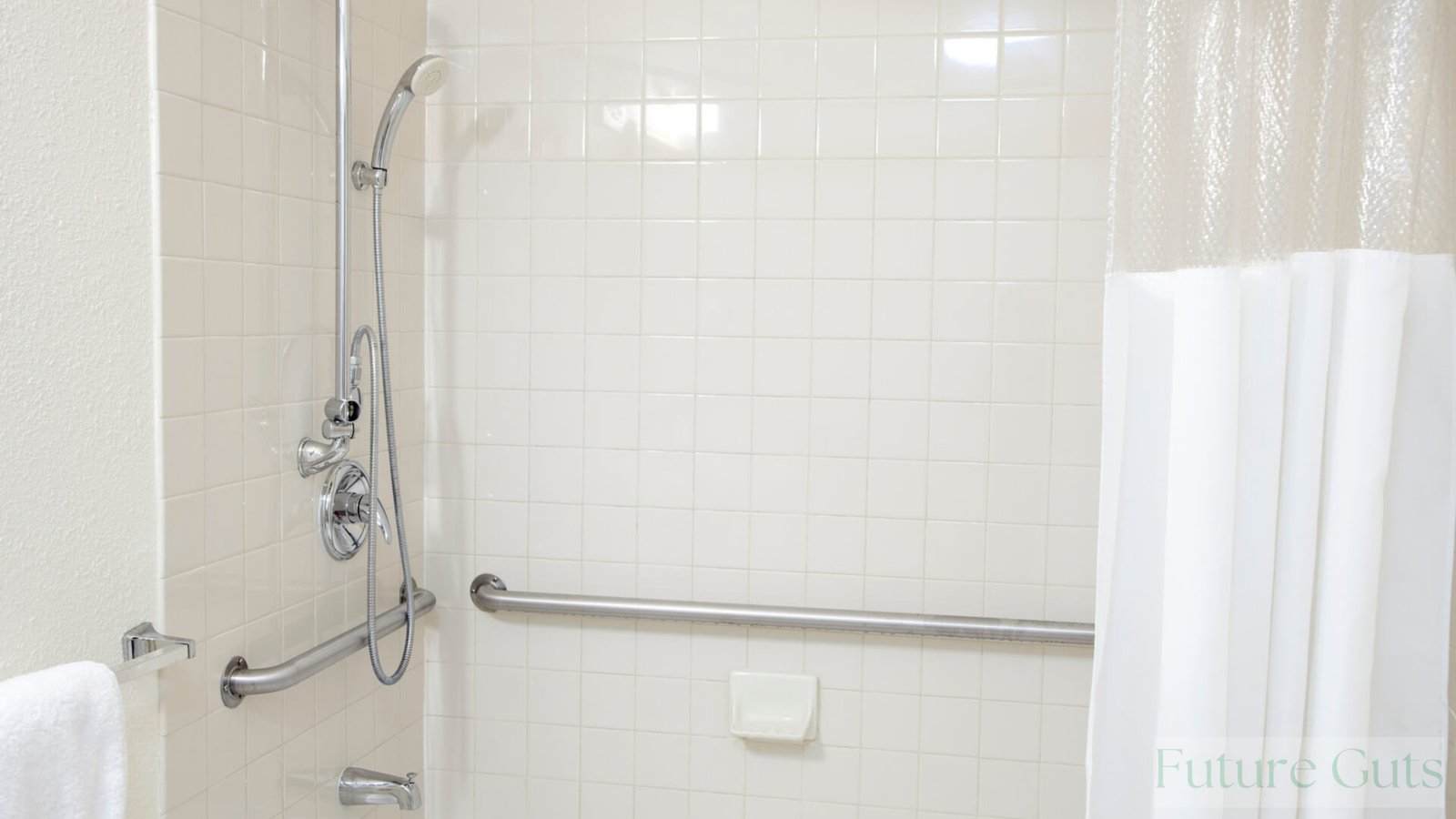

Grabbed bar is essential safety fixtures designed to provide stability, balance, and support, particularly in bathrooms and other areas where slips and falls are more likely to occur. When used correctly, a grab bar can significantly reduce the risk of injury for older adults, people with limited mobility, and anyone recovering from surgery or injury. Understanding proper usage, positioning, and body mechanics is key to getting the maximum safety benefit from a grab bar.
Understanding the Purpose of a Grab Bar
A grab bar is not merely a support handle but a safety aid engineered to bear body weight and provide leverage during movement. Its primary purpose is to assist with sitting, standing, stepping in and out of wet areas, and maintaining balance on slippery surfaces. Using a grab bar correctly helps transfer body weight in a controlled manner, reducing strain on joints and minimizing the likelihood of sudden falls.
Using a Grab Bar for Sitting and Standing
When sitting down or standing up, the grab bar should be used as a stabilizing guide rather than something to pull forcefully. Position your hand firmly around the bar, keeping your wrist straight and grip secure. As you lower yourself or rise, engage your legs and core muscles while using the grab bar to maintain balance. This technique ensures that the bar supports controlled movement instead of bearing sudden, excessive force.
Maintaining Proper Hand Grip and Body Position
For maximum safety, always grip the grab bar with your entire hand rather than just your fingers. A full grip improves control and reduces the chance of slipping. Your body should remain close to the bar, with feet placed flat on the ground for stability. Avoid leaning too far away from the bar, as this can shift your center of gravity and increase fall risk, even when the bar is securely installed.
Using Grab Bars in Wet or Slippery Conditions
Bathrooms and showers are high-risk areas due to water and soap residue. When using a grab bar in these conditions, ensure your hands are dry or have enough friction to maintain a secure grip. Move slowly and deliberately, especially when stepping in or out of a shower or bathtub. The grab bar should assist balance rather than encourage rushed or abrupt movements, which can lead to loss of control.
Avoiding Common Misuse and Safety Mistakes
One common mistake is relying on towel racks or soap holders as substitutes for grab bars. These fixtures are not designed to support body weight and can easily detach, causing serious injury. Another misuse involves jerking or pulling suddenly on the grab bar instead of applying steady pressure. Proper use requires smooth, controlled motion to maintain balance and prevent strain on the arms and shoulders.
Ensuring the Grab Bar Is Properly Installed
Safe usage also depends on correct installation. A grab bar should be securely anchored into wall studs or reinforced mounting systems to support significant weight. If a grab bar feels loose or unstable, it should not be used until properly fixed. Regular checks help ensure that the bar remains secure and continues to provide reliable support over time.
Who Benefits Most From Using Grab Bars
While grab bars are commonly associated with older adults, they are beneficial for people of all ages. Individuals with temporary injuries, balance issues, pregnancy-related mobility challenges, or post-surgical recovery can all benefit from added support. Using a grab bar proactively can prevent accidents rather than merely responding to existing mobility limitations.
Conclusion
Using a grab bar correctly is just as important as having one installed. Proper grip, controlled movement, correct body positioning, and awareness of wet conditions all contribute to maximum safety. When combined with secure installation and mindful use, a grab bar becomes a powerful tool in fall prevention, helping create a safer environment for everyday movement and long-term independence.

Other Articles

George Floyd: Biography, Early Life, and Personal Struggles
How to Grow Pravi Celery Successfully at Home