




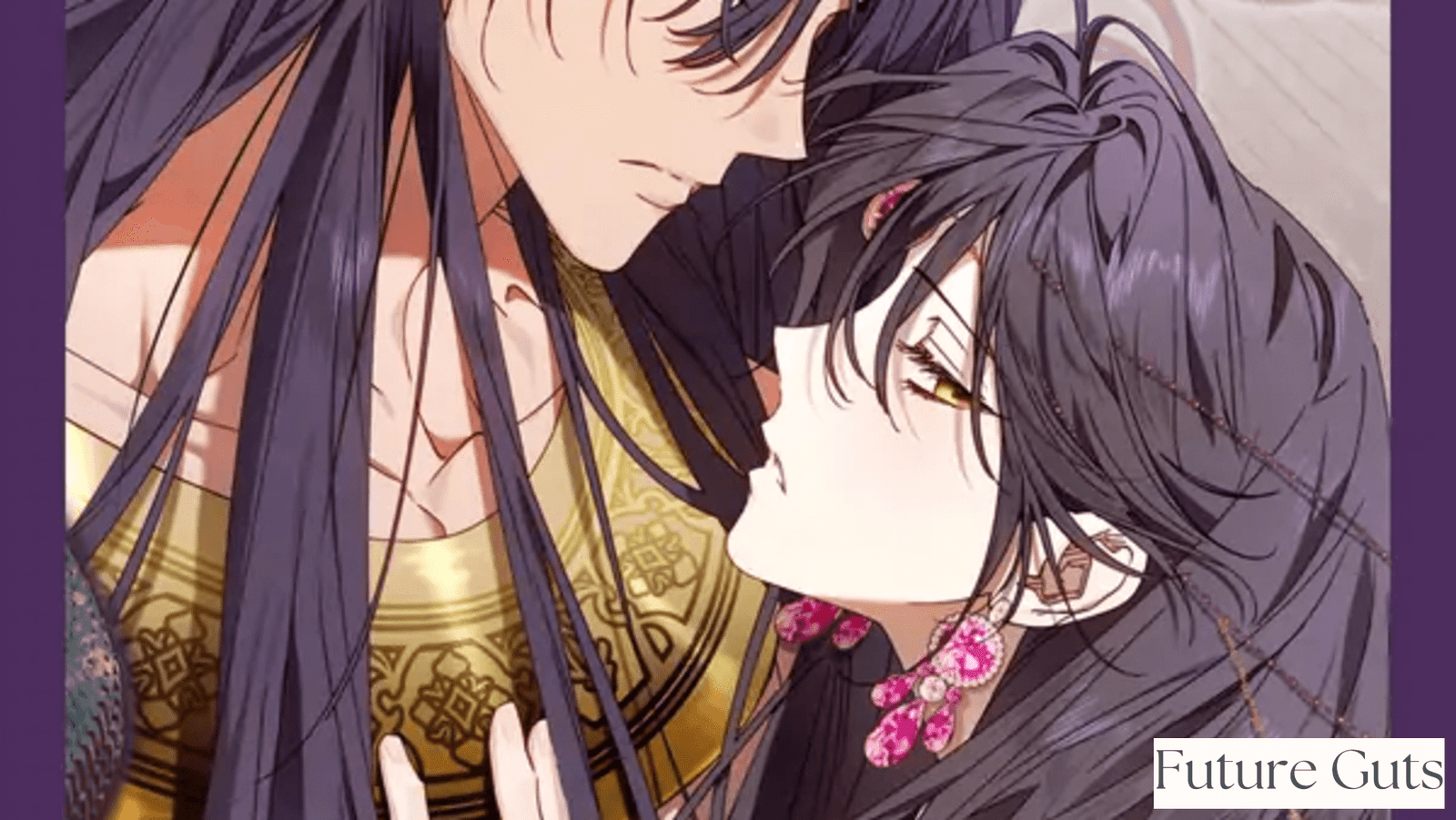

My Dead Lover Returned as a Tyrant is a dark fantasy romance that blends emotional trauma with political power struggles and supernatural rebirth. At its core, the story explores how love, loss, and authority become dangerously intertwined when a once-gentle figure returns as a ruler shaped by death and resentment. The following themes reveal the deeper meaning behind the narrative and explain why the novel resonates with readers who enjoy emotionally complex fantasy stories.
Love Transformed by Death and Time
One of the most dominant themes in the story is how love changes after death. The relationship that once existed between the protagonist and her lover is no longer pure or equal. Death alters memory, emotion, and intent, turning affection into something heavier and more possessive. The novel shows that love preserved only through memory cannot survive unchanged when revived in reality.
Power as a Tool of Emotional Control
The tyrant’s authority is not just political but deeply personal. His power becomes a means of controlling both the world around him and the woman he once loved. This theme highlights how unchecked authority can distort emotional bonds, turning protection into domination. The story repeatedly questions whether love can exist honestly when one person holds absolute power over the other.
The Psychological Cost of Resurrection
Resurrection in the novel is not portrayed as a blessing but as a psychological burden. The returned lover is haunted by fragmented memories, unresolved pain, and a sense of betrayal tied to his death. This theme emphasizes that coming back to life does not heal trauma but often intensifies it, especially when the past is filled with regret and unanswered questions.
Fear Versus Familiarity in Relationships
As the lover returns as a tyrant, the protagonist struggles to reconcile the person she once knew with the ruler he has become. Familiar gestures coexist with terrifying authority, creating emotional confusion. This theme explores how fear can coexist with love and how difficult it is to trust someone who embodies both safety and threat at the same time.
Fate, Revenge, and Moral Responsibility
The novel repeatedly suggests that the tyrant’s rise is driven by fate intertwined with revenge. However, it does not excuse his actions. Instead, the story examines whether suffering justifies cruelty and whether destiny absolves individuals of moral responsibility. This theme adds ethical depth to the narrative, forcing readers to question sympathy for characters shaped by tragedy.
Identity Lost and Reconstructed
Another key theme is the loss and reconstruction of identity. The returned lover is no longer the man he once was, yet he is not entirely someone new. His identity is fractured between past affection and present tyranny. The novel uses this internal conflict to show how extreme experiences can permanently reshape a person’s sense of self.
Survival in an Imbalanced Relationship
At its heart, the story also examines survival within an emotionally and politically imbalanced relationship. The protagonist must navigate a world where refusal is dangerous and compliance has emotional consequences. This theme underscores the tension between self-preservation and emotional attachment, highlighting the quiet strength required to endure such circumstances.
Conclusion
In conclusion, My Dead Lover Returned as a Tyrant uses its dark fantasy setting to explore complex emotional and psychological themes rather than presenting a simple romance. Through transformed love, corrupted power, unresolved trauma, and fractured identity, the novel questions whether relationships can survive when death and authority rewrite their foundations. These themes collectively suggest that love alone is not enough to heal wounds caused by loss and power, making the story a haunting exploration of devotion, fear, and moral consequence.

Other Articles

How to Bake a Cake at Home: A Simple Step-by-Step Guide
5 Surprising Facts About Sean Lennon Net Worth