




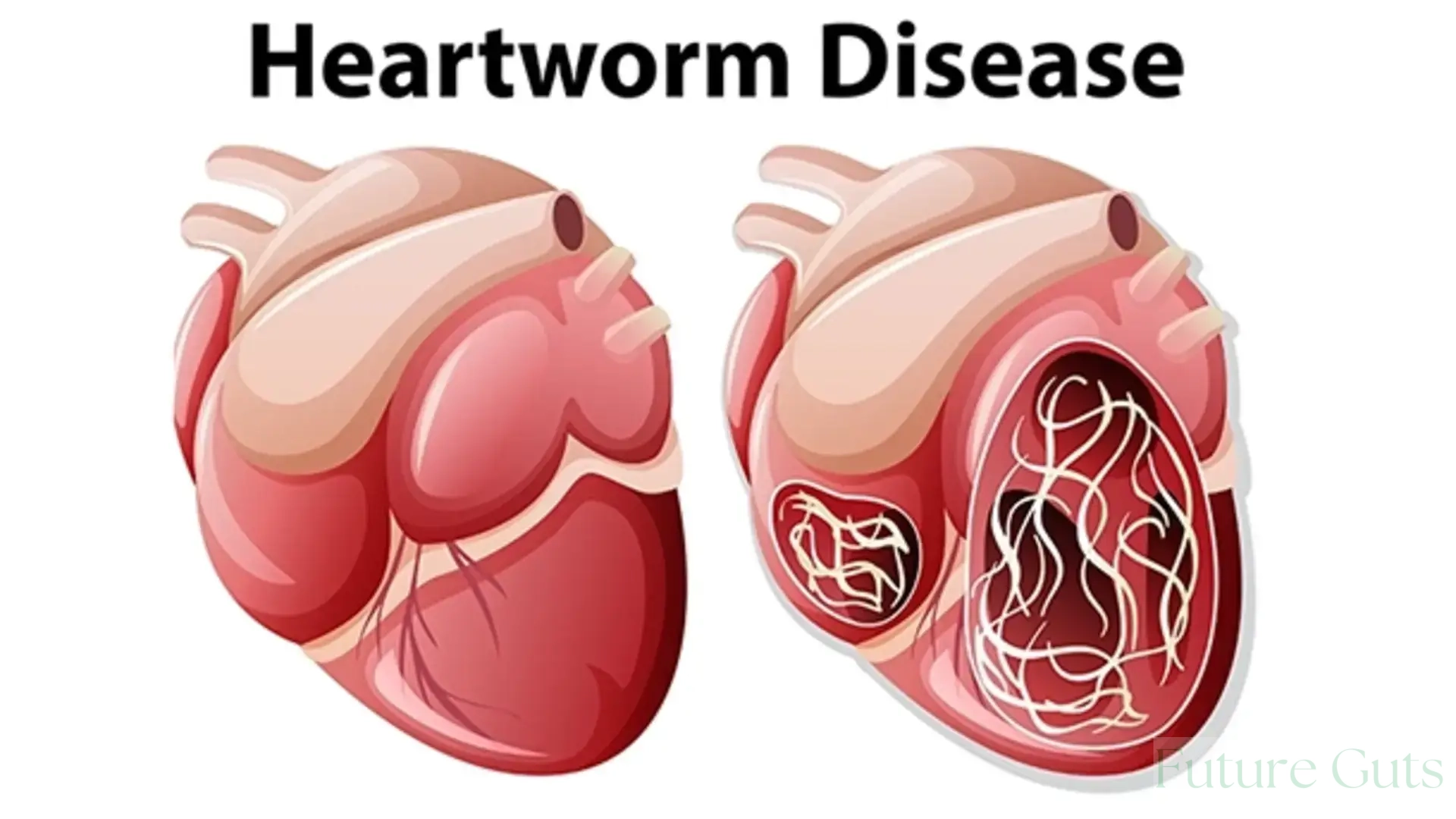

Heartworm Disease Is Caused by a Parasitic Worm
Heartworm disease is caused by the parasite Dirofilaria immitis, which primarily affects dogs but can also infect cats and other animals. These worms live in the heart, lungs, and associated blood vessels, where they can grow to several inches in length. As the worms mature and multiply, they interfere with normal blood flow and organ function, leading to serious and sometimes fatal health complications if left untreated.
Mosquitoes Are the Only Way Heartworm Spreads
Heartworm disease is transmitted exclusively through mosquito bites. When a mosquito bites an infected animal, it ingests microscopic larvae, which are then passed on to another animal through a later bite. Because mosquitoes are widespread and can enter homes, both outdoor and indoor pets are at risk. This mosquito-based transmission is why heartworm disease can occur in many climates and regions.
Dogs and Cats Are Affected Differently
Dogs are considered natural hosts for heartworms, meaning the parasites can mature fully and reproduce inside their bodies. This often leads to a heavy worm burden if prevention is not used. Cats, on the other hand, are atypical hosts, usually harboring fewer worms, but even a small number can cause severe respiratory issues or sudden death. In cats, heartworm disease is often harder to diagnose and may show no clear symptoms before becoming life-threatening.
Symptoms Often Appear Slowly and Progress Over Time
One of the most dangerous aspects of heartworm disease is how gradually symptoms can develop. Early signs in dogs may include mild coughing, fatigue, or reduced exercise tolerance. As the disease progresses, symptoms can worsen to include weight loss, breathing difficulty, and heart failure. In cats, symptoms may resemble asthma, vomiting, lethargy, or sudden collapse, making early detection especially challenging.
Prevention Is Safer and Easier Than Treatment
Preventing heartworm disease is far safer, less expensive, and less risky than treating it. Monthly preventive medications work by eliminating immature heartworm larvae before they can grow into adults. Treatment for established heartworm infections, particularly in dogs, can be lengthy, costly, and physically stressful, involving strict activity restriction and potential complications during worm elimination.
There Is No Safe Adult Heartworm Treatment for Cats
Unlike dogs, cats do not have an approved treatment that safely kills adult heartworms. Veterinary care for cats with heartworm disease focuses on managing symptoms and supporting the immune system while monitoring the infection. This limitation makes prevention absolutely critical for cats, even though they may be less commonly infected than dogs.
Year-Round Prevention Is Strongly Recommended
Many people believe heartworm prevention is only necessary during warmer months, but mosquitoes can survive year-round in many areas. Changes in climate and indoor mosquito exposure increase the risk of infection even in cooler seasons. For this reason, veterinarians widely recommend continuous, year-round heartworm prevention for both dogs and cats to ensure consistent protection.
Conclusion
Heartworm disease is a serious but largely preventable condition that poses a significant risk to dogs and cats. Understanding how it spreads, how it affects pets differently, and why prevention is essential can help pet owners make informed decisions about their animals’ health. With consistent preventive care and regular veterinary guidance, heartworm disease can be effectively avoided, protecting pets from a life-threatening and often silent illness.

Other Articles

10 Mariana Holert Insights to Transform Your Skills
The Grand Duke Is Mine Spoilers: What to Expect