



An Island Shaped by Isolation and Evolution
Madagascar is one of the most extraordinary natural regions on Earth, shaped by millions of years of geographic isolation. Separated from the African continent over 80 million years ago, the island evolved independently, allowing life to develop in remarkable and unexpected ways. This isolation is the reason Madagascar is often described as a living laboratory of evolution, where plants and animals found nowhere else on the planet continue to thrive in unique ecosystems.
Unmatched Wildlife Found Nowhere Else
Madagascar is globally renowned for its exceptional biodiversity, with more than 90 percent of its wildlife classified as endemic. Lemurs are the most iconic examples, ranging from tiny mouse lemurs to the striking indri, whose calls echo through forest canopies. The island is also home to rare chameleons, colorful frogs, unique birds, and unusual predators like the fossa. Each species plays a vital role in maintaining ecological balance, making Madagascar one of the most important biodiversity hotspots in the world.
Diverse Landscapes and Natural Wonders
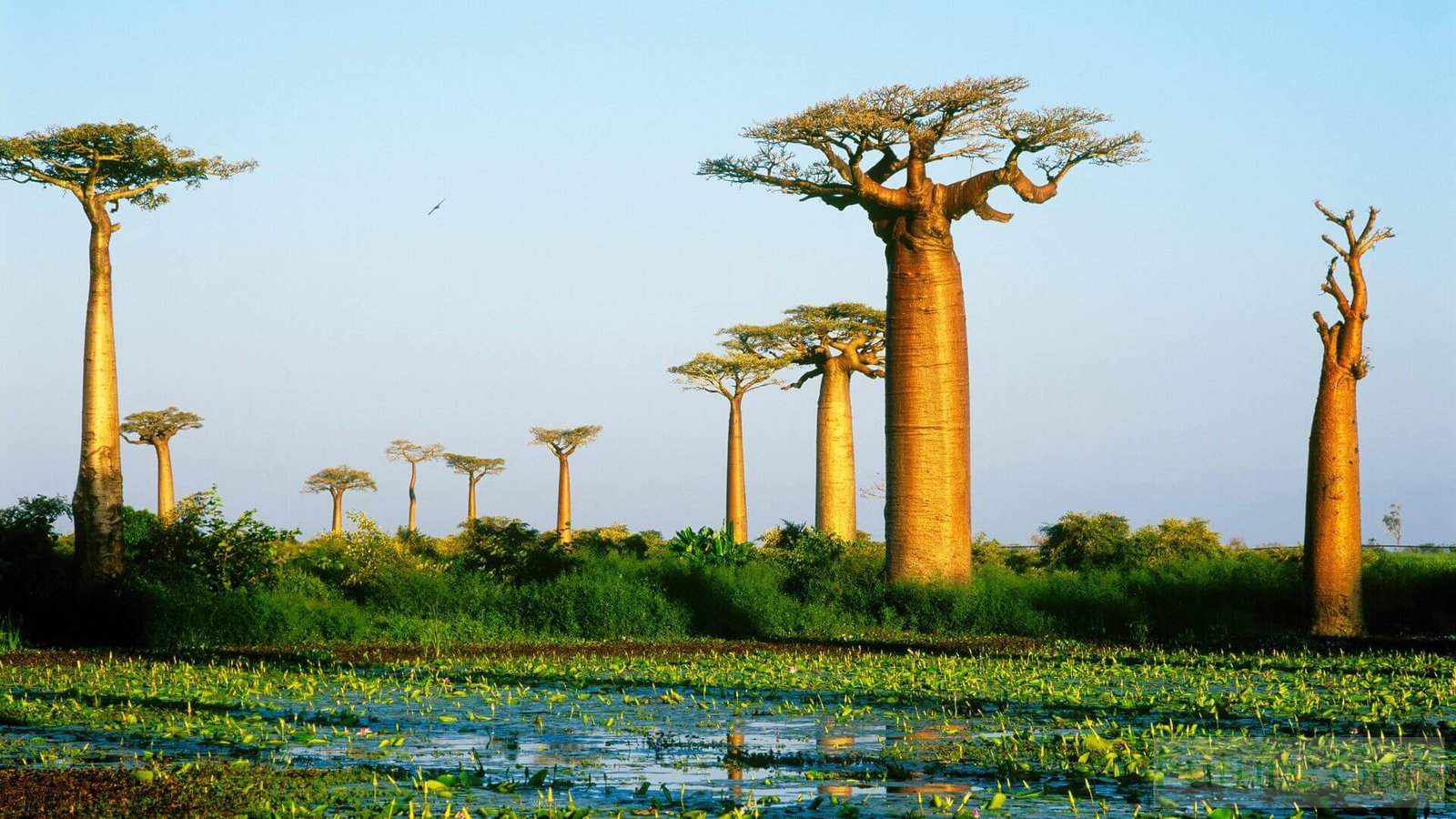
The landscapes of Madagascar are as diverse as its wildlife. Lush rainforests dominate the eastern regions, while dry deciduous forests and spiny deserts define the west and south. Towering limestone formations known as tsingy create dramatic stone forests, while massive baobab trees line dusty roads and open plains. Along the coastline, coral reefs, mangroves, and pristine beaches add to the island’s natural beauty, supporting marine life and coastal communities alike.
The Cultural Connection to Nature
Nature and culture are deeply intertwined in Madagascar. Many Malagasy traditions are guided by fady, or taboos, which often serve to protect natural resources and wildlife. Ancestral respect and spiritual beliefs influence how land, forests, and animals are treated, reflecting a long-standing understanding of coexistence with nature. This cultural relationship adds another layer to Madagascar’s identity as a place where human life and the natural world remain closely connected.
Environmental Challenges Facing Madagascar
Despite its natural richness, Madagascar faces serious environmental challenges. Deforestation, habitat loss, climate change, and unsustainable land use threaten many species with extinction. As forests disappear, wildlife loses critical habitat, and local communities face increased vulnerability to soil erosion and water scarcity. These pressures have made conservation efforts increasingly urgent, both for protecting biodiversity and supporting human livelihoods.
Conservation Efforts and Global Importance
Madagascar has become a focal point for global conservation initiatives. National parks, protected areas, and community-led conservation programs aim to preserve ecosystems while supporting sustainable development. Because so many species exist only on this island, protecting Madagascar has global significance. Success here means safeguarding irreplaceable forms of life and preserving ecological knowledge that cannot be found anywhere else.
Why Madagascar Truly Is Nature’s Wonderland
Madagascar stands apart as a place where evolution, biodiversity, culture, and natural beauty converge. Its wildlife tells stories of ancient separation, its landscapes reveal geological wonders, and its people maintain traditions shaped by nature itself. Few places on Earth offer such a profound reminder of how fragile and extraordinary the natural world can be.
Conclusion
Madagascar is more than an island; it is a journey through nature’s imagination. From its endemic wildlife and dramatic landscapes to its deep cultural ties with the environment, the island represents both the wonder and vulnerability of life on Earth. Protecting Madagascar means preserving a natural treasure that belongs not only to one nation, but to the entire world, ensuring that its wonders continue to inspire future generations.

Other Articles
How to Cure Dry Eyes Permanently: Tips for Long-Term Comfort
10 Mariana Holert Insights to Transform Your Skills