




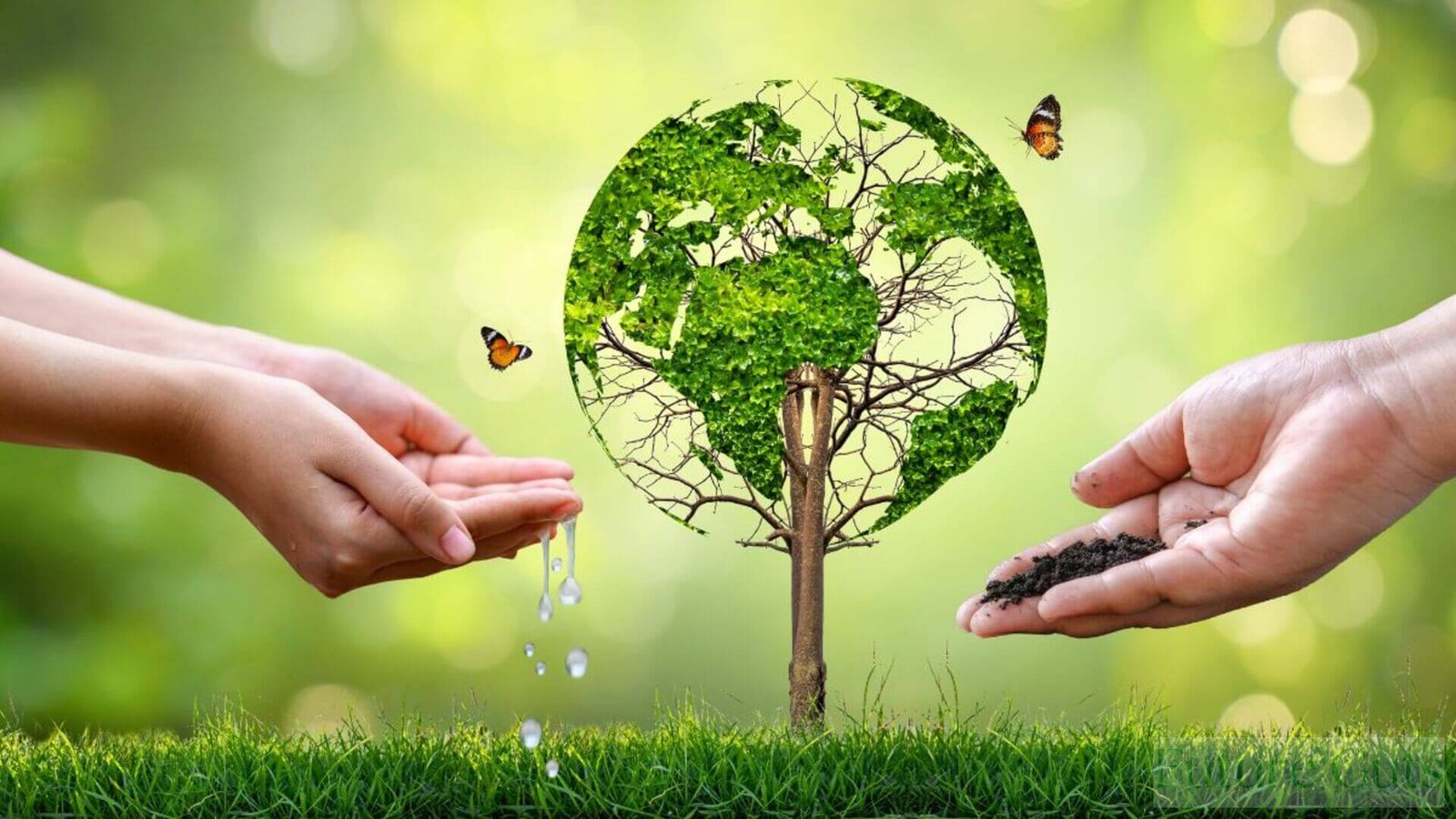

Environmental conservation is the responsible protection and management of natural resources, ecosystems, and biodiversity to ensure a healthy planet for future generations. It involves reducing harm to the environment while promoting sustainable use of land, water, energy, and wildlife. Starting an environmental conservation journey does not require professional expertise or major lifestyle changes; instead, it begins with awareness, intention, and a willingness to make thoughtful choices that reduce environmental impact over time.
Building Awareness and Environmental Knowledge
The foundation of environmental conservation lies in understanding the challenges facing the planet, such as climate change, deforestation, pollution, and biodiversity loss. Learning about these issues helps individuals recognize how daily actions contribute to environmental damage or protection. Reading credible environmental sources, following scientific research, and staying informed about local environmental issues allows people to make informed decisions and avoid misinformation. Awareness transforms conservation from an abstract idea into a personal responsibility.
Adopting Sustainable Daily Habits
One of the most practical ways to begin conservation is by adjusting everyday habits. Simple actions such as reducing water usage, conserving electricity, minimizing waste, and choosing reusable items can significantly lower environmental impact. These habits, when practiced consistently, reduce pressure on natural resources and contribute to long-term sustainability. Sustainable living is not about drastic changes but about mindful choices that gradually become part of daily routine.
Making Responsible Consumption Choices
Consumption plays a critical role in environmental health. Choosing products that are environmentally friendly, ethically sourced, and minimally packaged helps reduce pollution and resource depletion. Supporting sustainable brands and reducing unnecessary purchases sends a message to industries about consumer priorities. Responsible consumption also includes being mindful of food choices, reducing food waste, and supporting local producers when possible, all of which contribute to lower environmental footprints.
Getting Involved in Local Conservation Efforts
Environmental conservation becomes more impactful when individuals engage with their local communities. Participating in clean-up initiatives, tree-planting programs, or environmental awareness campaigns strengthens collective action and creates visible change. Local involvement fosters a sense of shared responsibility and helps individuals see the direct results of their efforts, reinforcing motivation and long-term commitment to conservation.
Protecting Wildlife and Natural Ecosystems
Wildlife conservation is an essential part of environmental protection. Respecting natural habitats, avoiding activities that harm ecosystems, and supporting conservation organizations help preserve biodiversity. Healthy ecosystems provide clean air, water, and food while maintaining ecological balance. Protecting wildlife also means understanding the connection between human activity and environmental disruption, encouraging coexistence rather than exploitation.
Using Education and Advocacy to Create Impact
Education and advocacy amplify conservation efforts beyond individual actions. Sharing knowledge about environmental responsibility encourages others to adopt sustainable behaviors. Supporting environmental policies, participating in awareness campaigns, and promoting conservation initiatives help influence systemic change. Advocacy bridges the gap between personal responsibility and collective progress, making conservation more effective at a broader scale.
Maintaining Consistency and Long-Term Commitment
Environmental conservation is a continuous journey rather than a one-time effort. Consistency is key to creating meaningful impact. Setting realistic goals, tracking progress, and adapting habits over time help sustain motivation. Even small actions, when repeated and combined with collective effort, contribute to lasting environmental protection and inspire others to take part in the journey.
Conclusion
Starting your environmental conservation journey begins with awareness, intention, and consistent action. By understanding environmental challenges, adopting sustainable habits, engaging with local communities, and advocating for positive change, individuals can make a meaningful contribution to protecting the planet. Conservation is not about perfection but about progress, responsibility, and a shared commitment to a healthier and more sustainable future.

Other Articles